
Ingredient Spotlight: Ceramides
Learn why dermatologists rely on this skin-soothing ingredient to support the skin barrier.
Published:
4 minute read
Ceramides are lipids that naturally occur in the skin and play a foundational role in how the skin functions day to day. You will often see them listed in moisturizers, serums, and products designed to support the skin barrier, but their importance is easy to overlook because they work quietly in the background.
To better understand what ceramides do and why dermatologists value them, we asked dermatologist Sandra Lee, MD (aka Dr. Pimple Popper), to explain how they support the skin barrier and fit into a balanced skincare routine.
Fast Facts: Ceramides
- Ceramides are lipids naturally found in the skin barrier
- They help reduce moisture loss and support hydration
- Levels decline with age and barrier stress
- Commonly used for dry, sensitive, and eczema-prone skin
Article Quick Links
What are ceramides?
Ceramides are lipid molecules, or fats, found in the outermost layer of the skin. Along with cholesterol and fatty acids, they help form the skin barrier, which acts as a protective layer between the skin and the outside environment.
When ceramide levels are balanced, the skin barrier is better able to:
- Hold onto moisture
- Protect against irritants and environmental stressors
- Maintain overall comfort
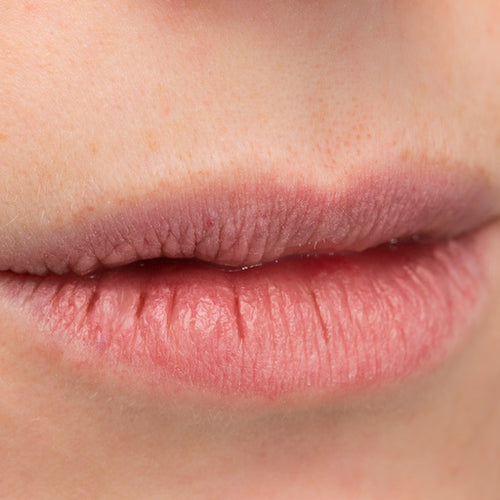
When ceramide levels drop, the barrier becomes less efficient. Skin may start to feel dry, tight, itchy, or more easily irritated.
“Ceramides are one of the main components that help the skin barrier do its job," says Dr. Lee. "When levels are low, skin has a harder time holding onto moisture and staying comfortable.”
Why ceramide levels decline
Ceramide levels can decrease for several common, everyday reasons, including:
- Over-cleansing or washing too frequently
- Using harsh soaps or detergents
- Frequent hand sanitizer use
- Exposure to cold, dry, or windy weather
- Friction from masks, clothing, or towels
Over time, these factors can strip oils from the skin and weaken the barrier, making skin more prone to dryness and irritation.
Age is another contributing factor. As skin matures, natural ceramide production slows, along with collagen and hyaluronic acid. This can make the skin barrier less effective at retaining moisture, which often shows up as increased dryness or sensitivity.
How ceramides are used in skincare
Ceramides are not a single ingredient. They are a class of related lipid molecules that naturally exist in the skin barrier, which is why the term is used in the plural.
Human skin contains many different ceramides, each with a slightly different structure and role. In skincare products, formulators typically use a select group of ceramides that are well studied, stable, and effective when applied topically to help support the skin barrier.
On ingredient labels, these often appear as:
- Ceramide 1 (aka ceramide EOS)
- Ceramide 6-II (aka ceramide AP)
- Ceramide 3 (aka ceramide NP)
- Ceramide 9 (aka ceramide EOP)
These ceramides are not meant to replace every ceramide found naturally in skin. Instead, they are chosen to support barrier function and hydration by reinforcing the lipid structure the skin already relies on.
Who benefits most from ceramides
Ceramides are especially beneficial for:
- Dry skin that feels rough, flaky, or tight
- Sensitive or reactive skin
- Skin that becomes irritated easily
- Eczema- or psoriasis-prone skin
- Aging skin with a naturally weaker barrier
Even oily or acne-prone skin can benefit from ceramides. When the skin barrier is healthy, skin of all types tends to behave more predictably, including skin that produces excess oil.
Using skincare products formulated with ceramides helps support the skin barrier and maintain hydration over time, which is especially helpful for skin that is dry, sensitive, or easily thrown off balance.
Where to find ceramides
Ceramides are commonly found in:
- Moisturizers and creams
- Face and body lotions
- Hydrating serums
- Products formulated for dry or sensitive skin
They are most often included in formulas designed to support hydration and barrier health rather than aggressively target a single concern.
“Ceramides work best when used consistently in products designed to support hydration and barrier health,” notes Dr. Lee.
Incorporating ceramides into your routine can help skin feel softer, smoother, and more resilient over time.
Common questions about ceramides
Q: Can oily or acne-prone skin use ceramides?
A: Yes, oily or acne-prone skin can use ceramides. A healthy skin barrier supports overall skin function and does not require stripping or heavy formulas to be effective.
Q: Are ceramides safe for eczema- or psoriasis-prone skin?
A: Ceramides are commonly recommended for eczema- and psoriasis-prone skin because the skin barrier is often compromised in these conditions and benefits from added support.
Q: How often should you use ceramides?
A: Most people can use ceramides daily. Consistent use helps support the skin barrier over time rather than producing immediate or dramatic changes.
Q: Can ceramides be used with active ingredients?
A: Yes, ceramides can be used with active ingredients. They are often included in routines to help support the skin barrier and reduce dryness or irritation associated with actives.

Dr. Lee's Last Word
Your skin naturally contains ceramides, and they play an important role in barrier health. Supporting those ceramides through your routine can help skin stay more comfortable and resilient over time.