
Does Your Skin "Burn" After Using Treatments? This is Probably Why.
You finally upgraded your skincare routine… and now your face feels like it’s on fire. Don’t panic—this is one of the most common mistakes people make when using powerful treatments.
Published:
3 minute read
You finally decide to get serious about skincare.
You buy the retinol everyone swears by.
You add vitamin C because TikTok says it makes your skin glow.
You start using them… and for a few days everything seems fine.
Then suddenly:
- Your skin feels tight
- It starts looking dry or flaky
- And when you apply your products it burns
Your first thought is usually:
“My skin must be too sensitive for this.”
But here’s the thing most people don’t realize:
The problem usually isn’t the treatment.
It’s that your skin is dehydrated.
The Internet Loves Active Ingredients… But Forgets This One Step
Retinol and vitamin C are two of the most powerful ingredients in skincare.
Dermatologists recommend them because they can help:
- Clear acne
- Fade dark spots
- Improve skin texture
- Reduce fine lines and wrinkles
- Boost collagen
Basically, they’re overachievers.
But powerful ingredients come with one catch: they can temporarily disrupt your skin’s moisture balance.
If you’re not replacing that hydration, your skin barrier can start to struggle and that’s when irritation shows up.
What Retinol Is Actually Doing to Your Skin
Retinol works by speeding up skin cell turnover.
This means your skin sheds old, damaged cells faster and replaces them with new ones. That’s why retinol can dramatically improve acne, fine lines, and uneven texture.
But during this process, your skin can temporarily:
-
Produce less oil
-
Lose moisture more easily
-
Become more sensitive
Dermatologists even have a name for this phase:
The Retinol Adjustment Period. (Some people call this "purging")
Without proper hydration, that adjustment can feel… intense.
Why Vitamin C Can Also Make Skin Sting
Vitamin C works differently, but it can create a similar experience.
Most effective vitamin C formulas are designed at a low pH so the ingredient can actually penetrate the skin.
That’s great for results—but it can also mean your skin feels a little tingly or dry, especially if your moisture barrier is already compromised.
So if your skin suddenly stings when applying vitamin C, it doesn’t necessarily mean the ingredient is too strong.
It might just mean your skin is thirsty.
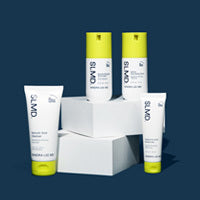
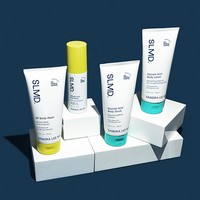
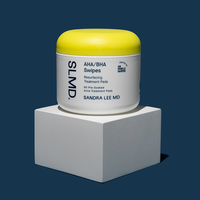
Our Bestselling Treatments


The Skincare Rule That Changes Everything
Dermatologists almost always give the same advice when people start using strong treatments:
Never skip moisturizer.
But there’s a reason this step matters so much.
When your skin is hydrated, your moisture barrier stays healthy—which helps your skin:
-
Tolerate active ingredients
-
Reduce irritation
-
Prevent flaking
-
Maintain a smooth, glowing appearance
In other words, moisturizer isn’t just an “extra step.”
It’s what makes your treatments actually work better.
Why Hyaluronic Acid Is the MVP of Hydration
If you’re using ingredients like retinol or vitamin C, one of the best things you can add to your routine is hyaluronic acid.
Hyaluronic acid is a molecule that naturally exists in your skin and can hold up to 1,000 times its weight in water.
Think of it like a hydration magnet.
When applied to the skin, it helps:
-
Pull moisture into the skin
-
Plump and smooth the appearance of fine lines
-
Support the skin barrier
-
Reduce dryness caused by treatments
And when it’s in a non-comedogenic moisturizer, it hydrates your skin without clogging pores making it perfect even for acne-prone skin.
The Simple Routine That Prevents Treatment Burn
If your skin burns after treatments, try this routine:
Morning
-
Gentle cleanser
-
Vitamin C treatment
-
Hyaluronic acid moisturizer
-
Sunscreen
Night
-
Cleanser
-
Retinol treatment
-
Hyaluronic acid moisturizer
This routine allows your treatments to do their job while keeping your skin balanced, hydrated, and comfortable.
The Takeaway
If your skin burns after applying retinol or vitamin C, it usually isn’t because your skin “can’t handle” them.
More often, it’s because your skin barrier needs hydration and support.
Think of it this way:
Treatments transform your skin.
Moisturizer protects it while the transformation happens.
And when the two work together, that’s when you start to see the results everyone talks about.