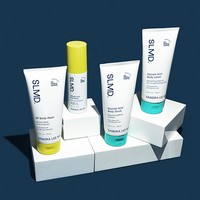

How to Get Glowing Skin, According to Dermatologists
Dr. Pimple Popper shares the inside scoop on getting that lit-from-within look — no filter necessary.
Published:
5 minute read
Getting a natural glow has less to do with finding the right product and more to do with understanding what your skin actually needs. The conditions behind healthy, luminous skin are specific and achievable, and the right ingredients can restore them at any stage.
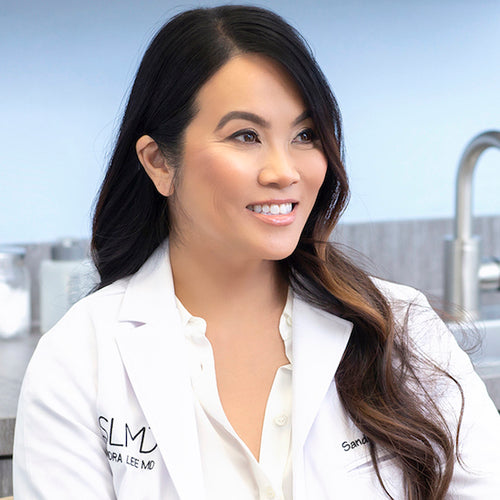
Dermatologist and SLMD Skincare founder Sandra Lee, MD (aka Dr. Pimple Popper), breaks down the biology of skin radiance and the specific steps that build lasting results.
Fast Facts
- Glowing skin is a sign of a healthy, intact skin barrier
- Dead cell buildup causes optical dullness, not just rough texture
- Cell turnover slows with age, dimming skin's natural luminosity
- Cosmetic glow fades; dermatologist-approved ingredients create results that last
What is glowing skin?
That lit-from-within quality we associate with a healthy glow is really just light reflecting evenly off a smooth, well-renewed surface. Babies have it naturally: their cell turnover is rapid and efficient, revealing fresh skin every couple of weeks alongside abundant collagen, a healthy skin barrier, and minimal exposure to the environmental stressors that degrade both over time.
As we age, that natural advantage fades. Cell turnover slows, collagen production declines, and cumulative UV and pollution exposure disrupts the skin's surface integrity. "When patients ask me about glowing skin, I always say: what you're really after is healthy skin," says Dr. Lee. "Highlighters and filters create a surface effect that fades. Genuine luminosity comes from your skin's actual condition: its texture, its hydration, its integrity. That's what we're building toward."
Here's a step-by-step guide to promoting a natural glow that lasts.
Exfoliate regularly
The daily buildup of dead skin cells, oil, and debris creates a dulling layer on the surface that also traps sebum and contributes to breakouts. If you've ever pressed your face against a clean pane of glass, you understand the concept: your skin leaves a streak behind, and the glass loses its clarity. Alpha and beta hydroxy acids dissolve the bonds holding dead cells to the surface. Alpha hydroxy acids like glycolic acid work at the skin's surface to smooth texture and tone; beta hydroxy acids like salicylic acid are oil-soluble, penetrating into the pore lining to clear congestion from within.
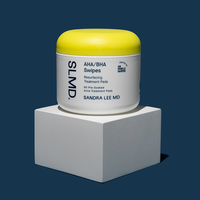
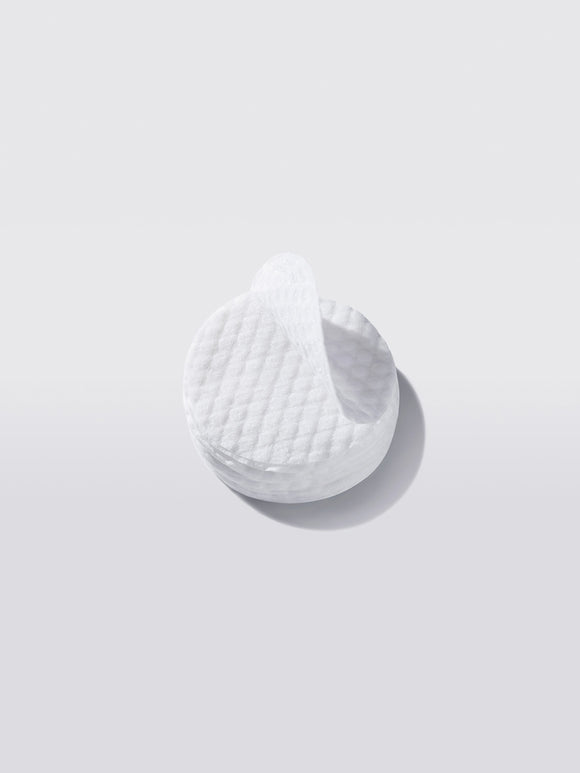
Try: SLMD Salicylic Acid Cleanser, AHA/BHA Swipes
Dr. Pimple Popper's Glowing Skin Picks






Hydrate and moisturize
When skin gets dry and flaky, light doesn't reflect as well. Think of the difference between a grape and a raisin: a plump, juicy grape has a smooth sheen, whereas the raisin's crevices are dim and shadowed. Two categories of ingredients address this from different angles:
- Humectants like hyaluronic acid and glycerin draw moisture into the skin, plumping it up and giving it a dewy, light-reflecting quality.
- Emollients like squalane seal in that hydration, restoring luster and preventing water loss.
Dr. Pimple Popper tip: "Apply your hyaluronic acid serum to slightly damp skin right after cleansing, then follow up with your moisturizer to seal it in."
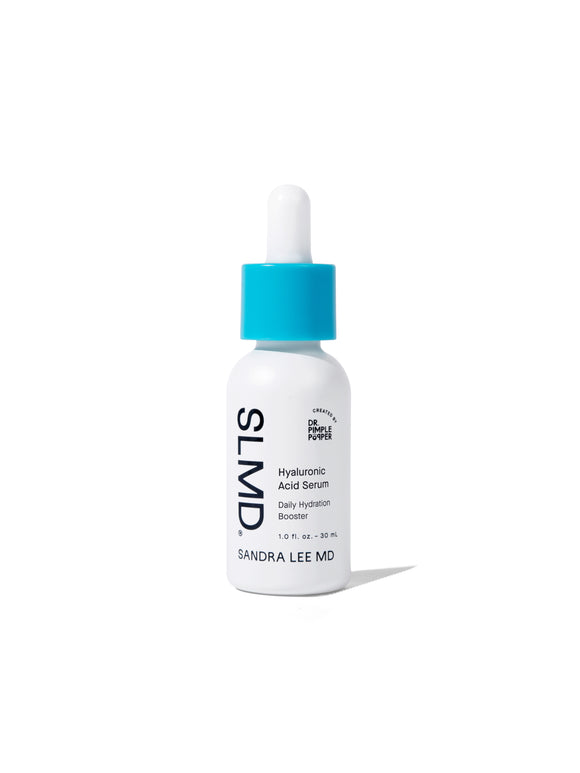
Try: SLMD Hyaluronic Acid Serum, Hyaluronic Acid Moisturizer
Protect skin with antioxidants
UV radiation and environmental pollution generate free radicals: unstable molecules that attack skin cells and break down collagen at the structural level. This oxidative damage accumulates over time, contributing to uneven tone and the kind of deep dullness that hydration and exfoliation alone cannot address. Antioxidants neutralize free radicals before they reach the structural level, interrupting this damage cycle at the source.
Vitamin C is the most extensively studied topical antioxidant for skin brightness. It inhibits the enzyme responsible for melanin synthesis, helping fade existing discoloration and even skin tone, while independently stimulating collagen production. Dr. Lee recommends pairing a dedicated vitamin C serum with a vitamin C-enriched moisturizer for both targeted treatment and sustained daily protection.
Try: SLMD Vitamin C Serum, Facial Moisturizer w/Vitamin C
Boost cell turnover with retinol
Cell turnover is the biological engine behind luminous skin. In youth, the cycle runs every two to three weeks. But by mid-adulthood, it can slow to 45 days or more, meaning dead, dull cells linger on the surface far longer than they used to. Retinoids derived from vitamin A are the most clinically researched ingredient for accelerating that cycle back toward its faster, more youthful pace, while simultaneously stimulating collagen production.
"Start slowly with retinol, a couple of nights a week, and let your skin adjust before increasing frequency," advises Dr. Lee. "The results are real, but they take time."
Try: SLMD Retinol Resurfacing Serum
Protect your glow with SPF
Every step in this routine can be partially undone by daily unprotected sun exposure. UV radiation is the single largest driver of accelerated collagen loss, hyperpigmentation, and cell turnover disruption. Without daily sunscreen, the other steps are working against a constant source of damage rather than building on a protected foundation.
Dr. Lee recommends broad-spectrum SPF 15 or higher every morning, applied after moisturizer and before makeup, as a non-negotiable final step in any radiance routine.
Try: SLMD Daily Moisturizer with SPF 15
Choose a healthy lifestyle
Topical ingredients make a difference, but these lifestyle factors also have a direct, clinically recognized impact on skin radiance:
- Drink adequate water: well-hydrated skin cells maintain the plumpness that supports an even, reflective surface.
- Manage stress: lowering cortisol reduces systemic inflammation that impairs normal skin cell function.
- Exercise regularly: increased blood flow delivers oxygen and nutrients to skin cells, supporting the renewal process.
- Avoid smoking: cigarette smoke constricts blood flow and exposes skin to free radicals that accelerate collagen loss.
- Prioritize sleep: nightly downtime is when skin cell repair and regeneration is most active.
Glowing skin FAQ
What does "glowing skin" actually mean?
A healthy glow is what you see when light reflects evenly off a smooth, well-hydrated surface with an intact skin barrier. It is a physical condition, not a cosmetic effect, and it can be built and maintained with the right ingredients used consistently.
How long does it take to get glowing skin?
It depends on which part of the routine is doing the work. Chemical exfoliants can produce visible improvements in texture within two to four weeks. Retinol typically requires eight to twelve weeks before meaningful changes in cell turnover become visible. Antioxidants and hydration work more gradually, protecting and sustaining results over time.
Can dry skin look glowing?
Dry skin can absolutely look glowing with the right approach. The key is addressing both water loss and lipid barrier integrity at the same time: humectants draw moisture in while emollients seal it there. A hydrating serum followed by a moisturizer is the foundational step for anyone whose dullness is primarily driven by dehydration.
Is glowing skin the same as oily skin?
They are not the same thing. Oily skin produces excess sebum, which creates a shiny appearance, but shine and a healthy glow are different. A genuine glow comes from light reflecting evenly off a smooth, well-hydrated surface, not from oil sitting on top of it.

Dr. Lee's Last Word
Glowing skin is healthy skin — and healthy skin is something you can actively work toward at any age. A consistent skincare routine and a healthy lifestyle are the foundation.