
4 Ingredients You Need To Fight Signs of Aging
These are the essentials dermatologists recommend to keep your skin looking younger, longer.
Published:
3 minute read
If you want to address visible signs of aging, there are a small number of skincare ingredients that actually matter. In anti-aging skincare, results depend far more on ingredient selection than on how many products you use.
Below, board-certified dermatologist and SLMD Skincare founder Sandra Lee, MD (aka Dr. Pimple Popper) shares four dermatologist recommended anti-aging ingredients that form the foundation of an effective routine.
Hyaluronic Acid
As skin ages, it becomes less effective at retaining moisture, which makes fine lines and surface texture more noticeable. “One of the earliest changes I see as skin ages is loss of hydration," notes Dr. Lee. "When skin can’t hold onto moisture, fine lines and texture become much more noticeable.”
Hyaluronic acid is a naturally occurring molecule in the skin that helps attract and hold water. Unlike exfoliating acids, it does not resurface the skin. Its role in anti-aging skincare is simple and specific: supporting hydration at the skin’s surface to improve the appearance of fine lines caused by dryness.
With consistent use in serums or moisturizers, hyaluronic acid helps skin look smoother and better hydrated, which can reduce the visibility of early signs of aging.
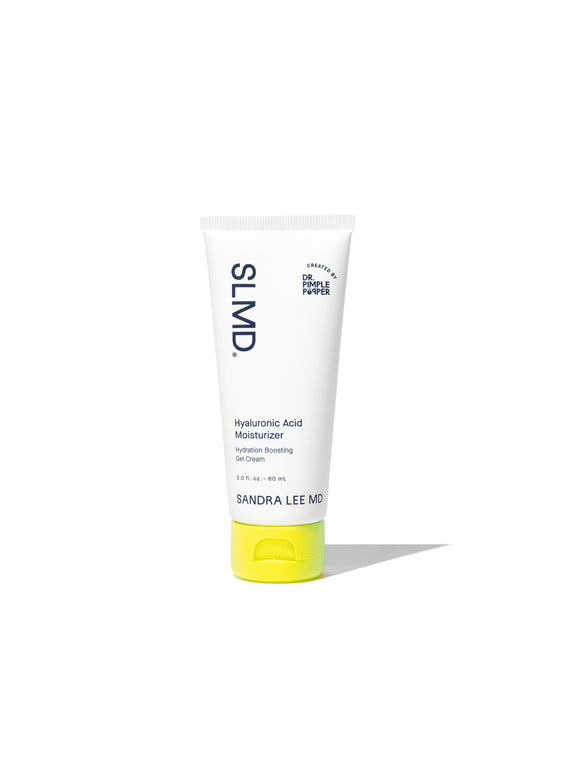
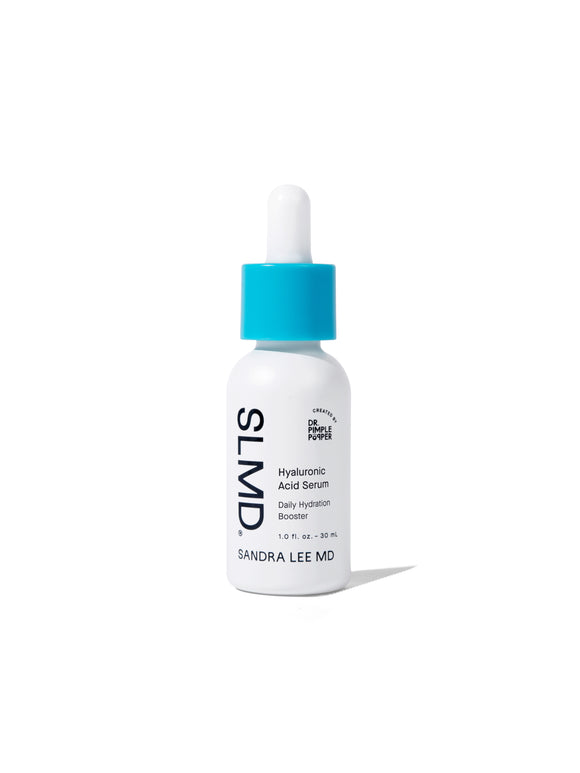
Try: SLMD Hyaluronic Acid Moisturizer, Hyaluronic Acid Serum
Retinol
As skin ages, cell turnover slows and collagen production declines. Together, these changes contribute to uneven texture, dullness, fine lines, deeper wrinkles, and more noticeable pores over time.
Retinol is a derivative of vitamin A that helps address both processes. It works beneath the surface to encourage skin renewal and support structural proteins that keep skin firm.
In topical skincare, retinol helps address visible signs of aging by:
- Increasing skin cell turnover to improve texture and tone
- Helping keep pores clear, which can minimize their appearance
- Supporting collagen production to soften the appearance of fine lines and wrinkles over time
Because retinol works gradually, results develop over time rather than overnight. It can also cause irritation when first introduced, so it is best used at night and paired with a moisturizer to support the skin barrier.
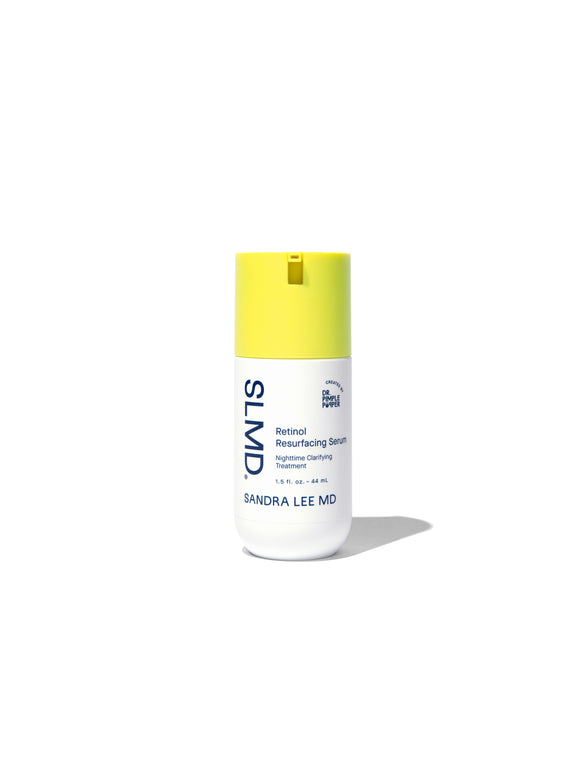
Try: SLMD Retinol Resurfacing Serum
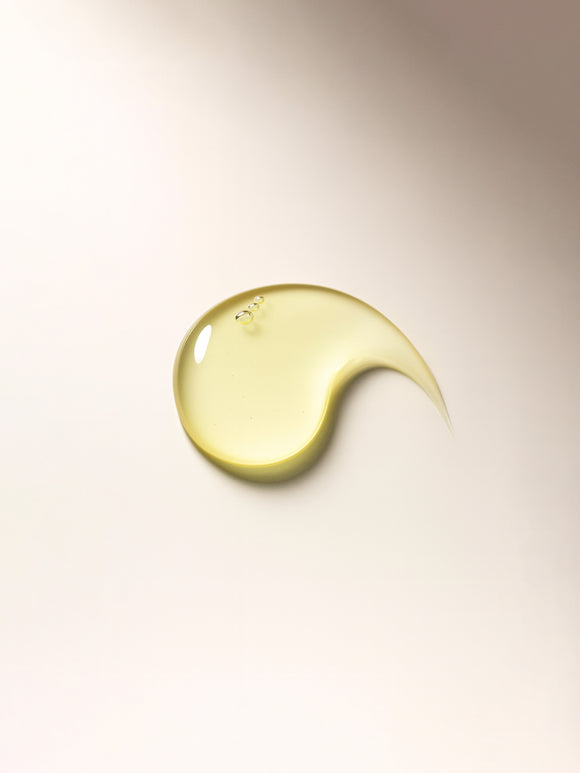
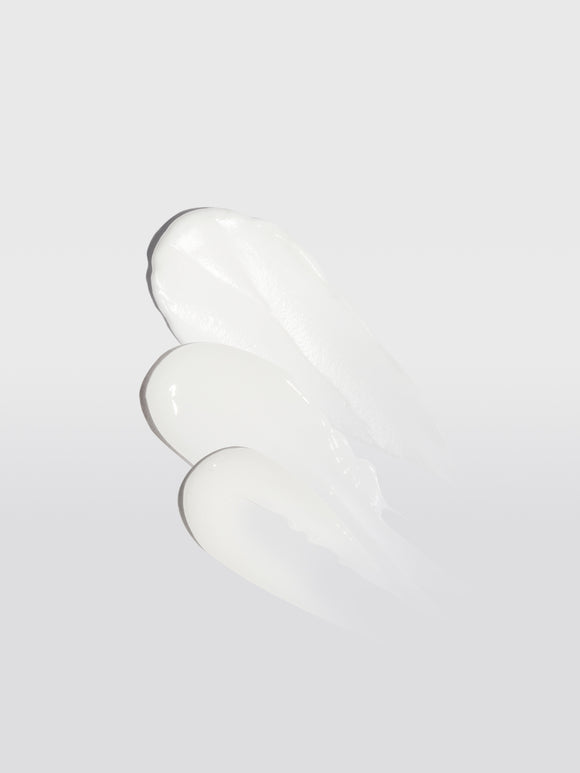
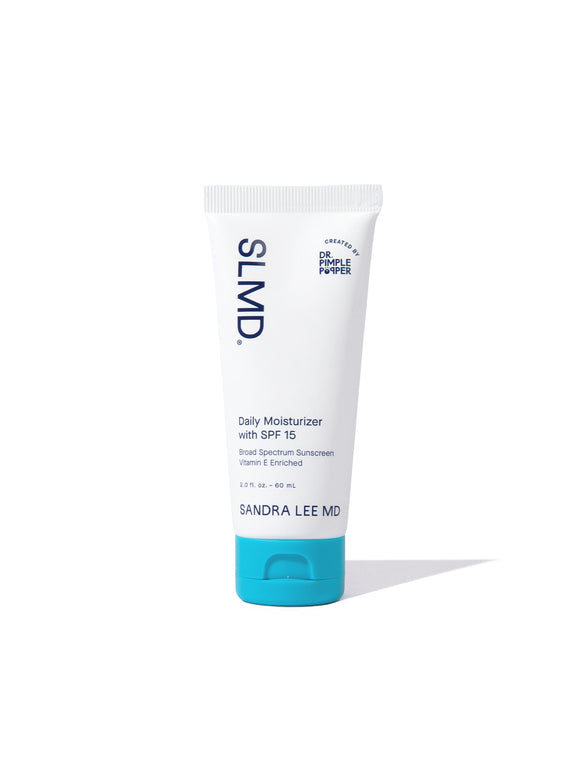
Dr. Pimple Popper's Anti-Aging Picks

Vitamin C
Over time, daily exposure to the sun and environment damages skin and accelerates visible signs of aging. This damage contributes to uneven tone, dark spots, and loss of firmness.
"Vitamin C is a powerful antioxidant that helps protect skin from free radical damage caused by sun exposure and pollution," explains Dr. Lee. "By limiting that daily damage, vitamin C supports healthier-looking skin and helps slow the appearance of premature aging."
In topical skincare, vitamin C is commonly used to brighten uneven skin tone, reduce the appearance of dark spots, and support firmer-looking skin over time.
Because environmental exposure happens every day, vitamin C is most effective when used consistently as part of a regular skincare routine.
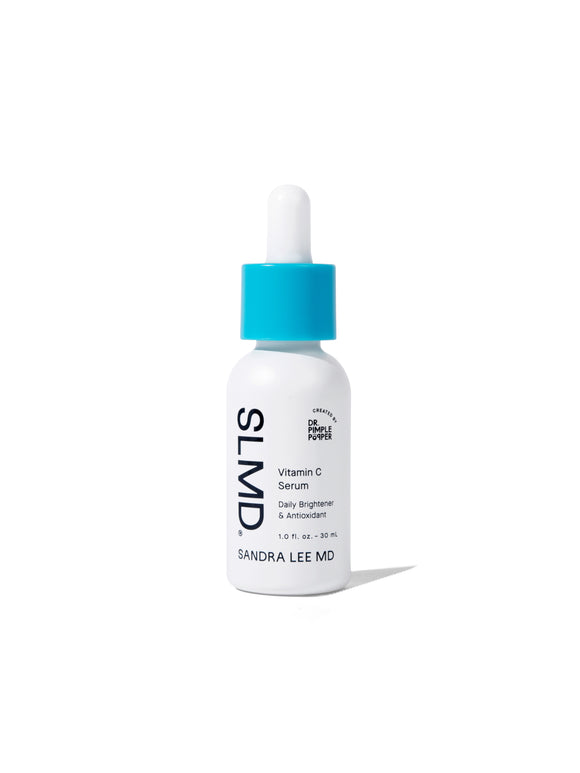
Try: Vitamin C Serum
Sunscreen
Sun exposure is the leading cause of premature skin aging. Over time, ultraviolet radiation breaks down collagen and elastin, contributes to uneven tone, and accelerates the development of fine lines and wrinkles.
Daily sunscreen use helps protect skin from this ongoing damage. By limiting UV exposure, sunscreen plays a critical role in preserving skin structure and preventing visible signs of aging before they start.
In an anti-aging routine, sunscreen helps address visible signs of aging by:
- Preventing collagen and elastin breakdown
- Reducing the development of dark spots and uneven tone
- Slowing the appearance of fine lines and wrinkles caused by sun damage
Because UV exposure adds up over a lifetime, sunscreen should be applied every day, even when it’s cloudy or you’re mostly indoors.
Try: SLMD Daily Moisturizer with SPF 15
Anti-Aging Skincare Ingredients FAQ
Q: What age should I start using anti-aging skincare ingredients?
A: You can start using anti-aging skincare ingredients when you begin noticing changes like dryness, uneven tone, or fine lines. Many people start in their twenties or thirties, but it is never too early or too late to focus on skin health.
Q: Do I need to use all anti-aging ingredients in one routine?
A: An effective anti-aging routine does not require using every available ingredient. Results depend more on selecting proven ingredients and using them consistently than on applying a large number of products. A simple routine is often easier to maintain.
Q: Can anti-aging ingredients irritate sensitive skin?
A: Some anti-aging ingredients, particularly retinol, can cause irritation when first introduced. Using these ingredients gradually, applying them at night, and pairing them with a moisturizer can help support the skin barrier.
Q: How long does it take to see results from anti-aging skincare?
A: Hydration and brightness may improve within weeks, while changes in texture, tone, and fine lines typically take several months of consistent use.

Dr. Lee's Last Word
Aging isn’t something to be afraid of…but I do encourage everyone to take care of their skin, because keeping it healthy is important to your overall health. Looking younger is just a bonus!