
5 Reasons Your Skin Is Breaking Out in Winter (And What to Do About It)
Dr. Pimple Popper shares what you can do to manage cold weather breakouts.
Published:
4 minute read
Wondering why pimples are popping up in the middle of winter? It’s a common myth that acne naturally fades when temperatures drop — but for many people, the opposite happens. To understand why breakouts can worsen during cold weather, we asked dermatologist Sandra Lee, MD (aka Dr. Pimple Popper) to explain the most common winter acne triggers, and what you can do to help keep your skin clear.
#1 The weather outside is frightful
Cold, dry air pulls moisture from your skin, which can weaken your barrier and make it more vulnerable to irritation and acne-causing bacteria. This increase in transepidermal water loss (TEWL) is one of the biggest reasons winter skin feels tight, flaky, or inflamed.
When your skin barrier becomes compromised, it's easier for irritants and C. acnes bacteria to cause problems. Dryness and inflammation can also make inflammatory acne more likely to flare.
“Cold air disrupts the skin barrier much faster than people realize,” says Dr. Lee. “Once that barrier weakens, the risk of irritation and breakouts goes way up, especially for acne-prone skin.”
Lower humidity and reduced sun exposure can also influence immune balance in the skin, making it harder to stay clear. When dryness, inflammation, and excess oil production collide, winter acne becomes much more likely.
#2 You’re still using your same skincare
Your skin’s needs shift with the seasons. In summer, heat and humidity often lead to more sweat, more oil, and more frequent exfoliation. But when winter arrives, that same routine can become too harsh — leaving skin dry, irritated, and still prone to breakouts.
If your winter skin feels both flaky and oily, it may be a sign that you're stripping away too much moisture.
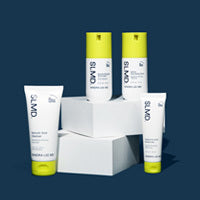
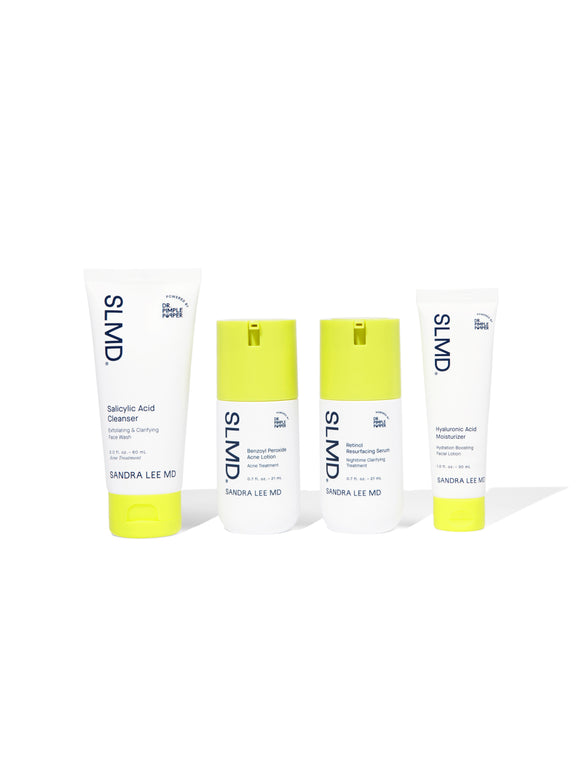
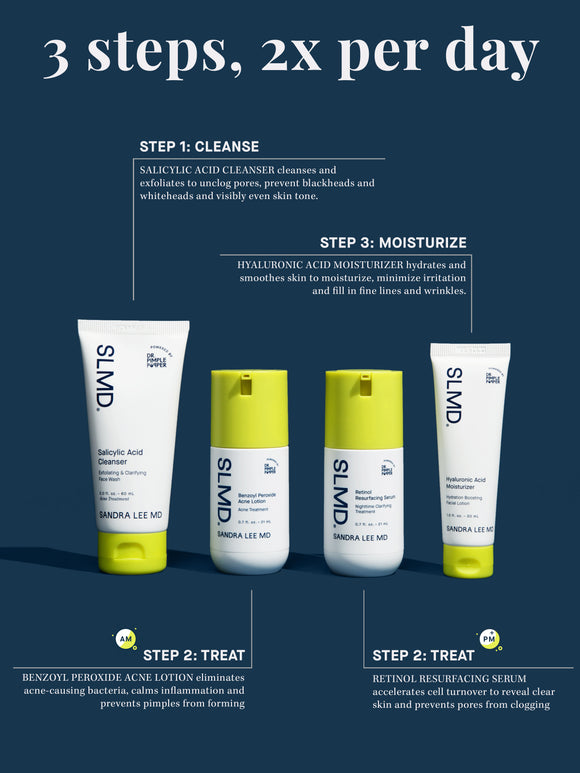
If you're following an acne routine like the SLMD Acne System, stick with it, since consistency is key. But if your skin feels dehydrated, scale back additional exfoliating treatments and make sure you're using lightweight moisturizers that support acne-prone skin.
Keeping your skin properly hydrated is essential for preventing winter breakouts, especially if you're acne-prone. As Dr. Lee explains, even oily skin types need lightweight moisture to help support the barrier and balance oil production.
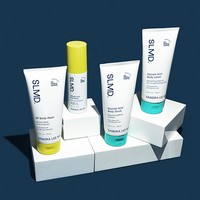
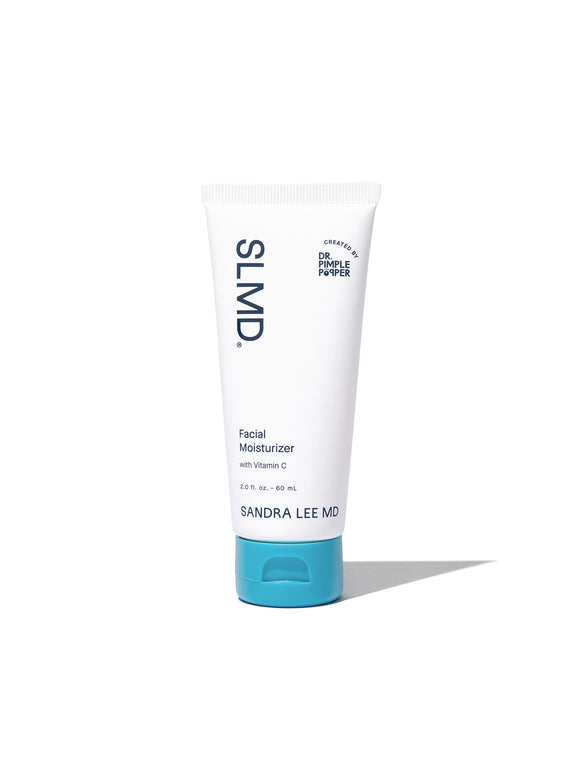
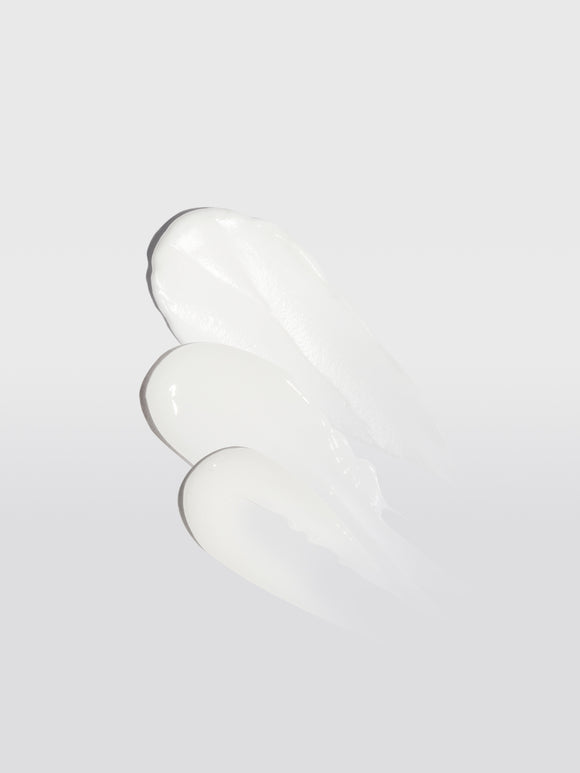
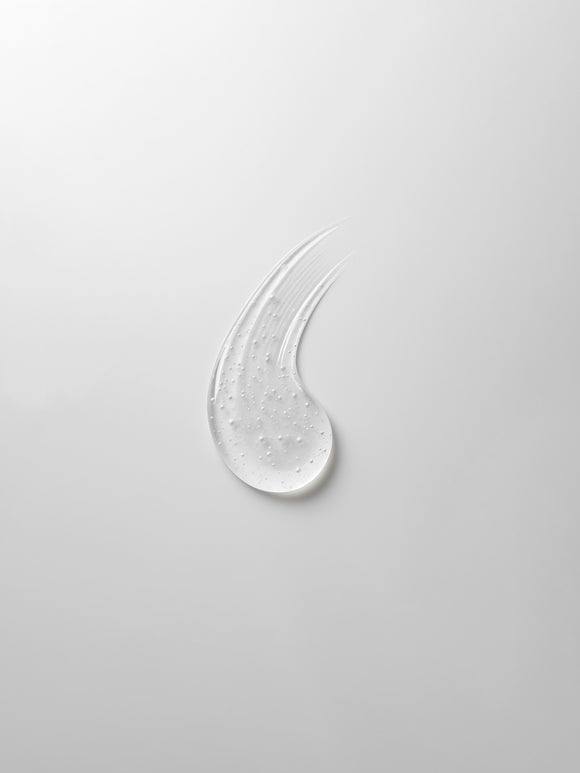
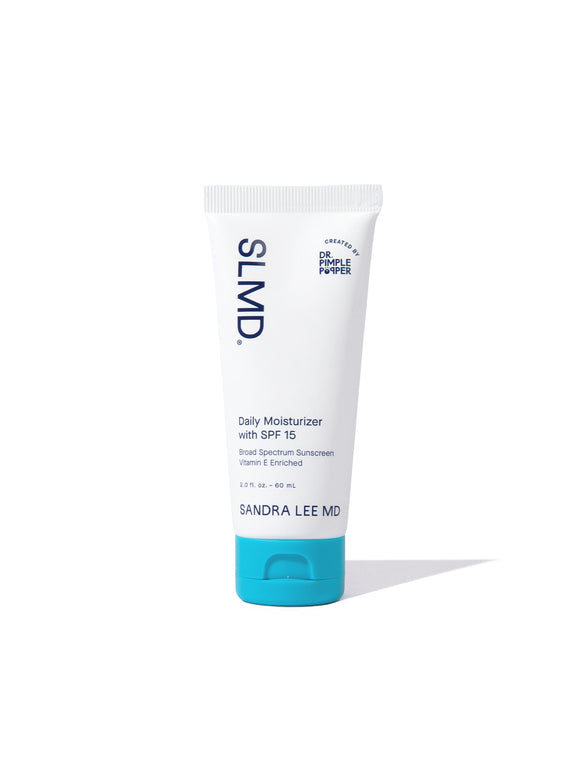
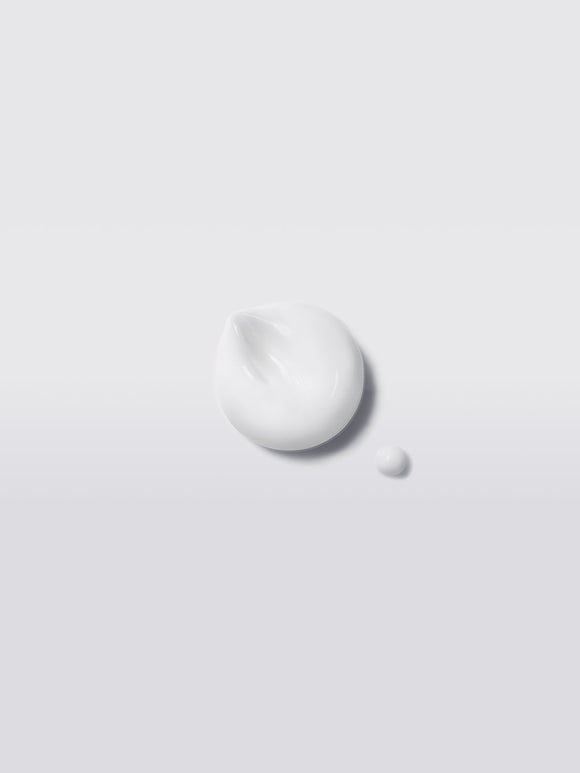
Try: SLMD Facial Moisturizer with Vitamin C, Hyaluronic Acid Moisturizer
Dr. Pimple Popper's Winter Acne Care Picks



#3 You abandoned your healthy habits
Shorter days and colder weather can make anyone feel less motivated — but when healthy routines slip, acne can follow. Skipping your nighttime cleanse, getting less exercise, or sleeping poorly can all impact how your skin behaves.
Regular cleansing helps remove sweat, dirt, and makeup that can clog pores, while consistent movement increases circulation and supports overall skin function.
Dr. Pimple Popper Tip: "Keep your nighttime routine steady. Your skin does most of its repair work while you sleep, so staying consistent helps minimize winter flare-ups."
Try: SLMD Salicylic Acid Cleanser
#4 You’re touching your face (and not cleaning your phone)
Touching your face is a year-round acne trigger, but winter can make it worse — especially if you're applying thick hand creams that transfer oils to your skin. Your phone also collects bacteria, skincare residue, and sweat throughout the day.
If you're noticing breakouts along one cheek or jawline, your phone may be the culprit. Exfoliating regularly helps keep pores from clogging.
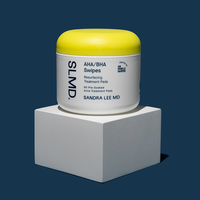
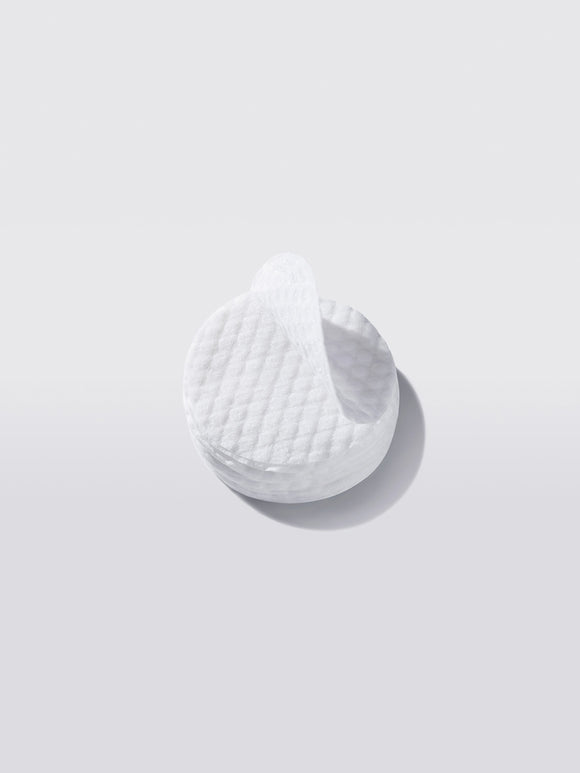
Try: SLMD AHA/BHA Swipes
Regularly wiping down your phone and keyboard helps limit the transfer of oils and bacteria that can trigger breakouts.
#5 Yes, that shower is too hot
Long, steamy showers may feel amazing on cold days — but they can take a toll on your skin. Hot water strips away natural oils and weakens your barrier, leaving skin dry, tight, and more prone to irritation.
“The hotter the water, the longer it takes for your skin barrier to recover afterward,” says Dr. Lee. “If your skin stays disrupted for hours, that’s a window when irritation and acne can flare.”
Try reducing your water temperature and keep showers short. Moisturizing immediately after bathing helps lock in hydration and support barrier recovery.
Frequently asked questions about winter skin and acne
Q: Why do I break out more in the winter even when my skin feels dry?
A: Dry, cold air can weaken the skin barrier, which triggers inflammation and may prompt your oil glands to produce more sebum. That combination — dryness on the surface and excess oil underneath — often leads to clogged pores and more breakouts in colder months.
Q: Can indoor heating make winter breakouts worse?
A: Heated indoor air is often very low in humidity, which can dehydrate the skin and weaken its barrier over time. When the barrier is compromised, pores are more prone to clogging and existing acne can become more inflamed.
Q: Why does my skin look oily in winter if the air is so dry?
A: When skin loses moisture, oil glands may respond by producing more sebum to compensate. That shift can make areas like the T-zone appear shinier than usual and increase the likelihood of winter breakouts.
Q: Are hot showers a common trigger for winter acne?
A: Hot showers can contribute to winter acne by stripping away the lipids that protect the skin barrier and increasing moisture loss. A disrupted barrier is more vulnerable to irritation and breakouts, especially when skin is already dry from cold weather.

Dr. Lee's Last Word
People tend to associate acne breakouts with hot and humid weather... but in reality, pimples can appear year-round, even in wintertime. Stay consistent with your skincare routine, and make sure you’re using a lightweight moisturizer formulated for acne-prone skin.


