
Got Thin, Peeling, or Cracked Nails? Here Are 6 Reasons Why
Polished or naturally nude, we've got a few tips to get those nails back in check.
Published:
4 minute read
Getting a manicure is one of the most popular forms of self-care. But when your nails are thin, peeling, or cracked, even a fresh coat of polish can feel frustrating instead of fun. Whether you love a bold color or prefer bare nails, weak nails can make hands look less healthy than they feel.
Research suggests that nearly 20% of people worldwide experience brittle or weak nails at some point. According to dermatologist Sandra Lee, MD (aka Dr. Pimple Popper), most cases are tied to everyday habits and environmental exposure rather than an underlying medical condition.
Below are the most common reasons nails become fragile and what actually helps.
#1 You get gel manicures too often
Gel manicures are popular for a reason: they look great and last longer than traditional polish. The downside is how they are applied and removed. Nails are often aggressively filed before gel is applied to improve adherence, and removal typically involves soaking in acetone followed by scraping. Over time, this process can dry out and thin the nail plate, leading to peeling and breakage.
The fix:
- Take breaks between gel manicures to give nails time to recover
- Switch to traditional polish or go polish-free between appointments
- Moisturize nails and cuticles regularly to reduce brittleness. Try: SLMD Hyaluronic Acid Serum

#2 You pick or peel off nail polish
Peeling off polish when a manicure starts to chip removes more than just color. It can also strip away layers of the nail plate, leaving nails thinner and more prone to splitting. Because nails grow slowly, this damage can take months to fully grow out.
The fix:
- Remove polish properly instead of peeling it off
- Use a non-acetone remover for traditional nail polish
- Allow gel polish to soak thoroughly before removal and avoid over-scraping
#3 You do housework or dishes without gloves
Repeated exposure to water, soap, and household cleaning chemicals can weaken nails over time. These cycles of soaking and drying strip natural oils from the nail plate and surrounding skin, making nails dry, brittle, and more likely to split.
The fix:
- Wear gloves when cleaning or washing dishes to limit exposure to water and chemicals
- Apply moisturizer to hands and cuticles before gloves to support your skin barrier
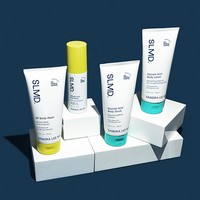
- Keep hands and cuticles moisturized consistently throughout the day. Try: SLMD Glycolic Acid Body Lotion
#4 You don’t eat a well-balanced diet
Sometimes brittle or misshapen nails are linked to vitamin or nutrient deficiencies, including iron, zinc, or certain vitamins such as A, C, or D. Biotin is often promoted for hair and nail health, but there is limited clinical evidence supporting its benefit unless a true deficiency is present.
Biotin helps the body convert food into energy and supports the production of protein building blocks, including fatty acids and amino acids, which are important for nail structure. While biotin supplements are generally safe, they can interfere with certain lab tests, so they should not be started casually.
The fix:
- Eat a balanced diet rich in essential vitamins and minerals
- Talk to your doctor before taking hair or nail supplements or addressing suspected deficiencies

#5 You use your nails as tools
Using your nails to scrape labels, pry open packaging, or peel objects puts repeated stress on the nail plate. Over time, this trauma can cause cracks, splits, and breaks that weaken nails.
The fix:
- Use proper tools instead of your nails for scraping, peeling, or prying
- Keep nails trimmed slightly shorter to reduce leverage
- Be mindful of habits that repeatedly stress the nail plate

#6 Nails naturally change with age
As you age, nails often grow more slowly and may become thinner or more brittle. These changes are partly related to shifts in moisture retention and collagen changes as we get older, similar to what happens in skin.
The fix:
- Moisturize nails and cuticles regularly to support flexibility
- Protect hands during chores and limit harsh manicures
- Maintain consistent nail care habits over time
Brittle Nails FAQ: Causes, Prevention, and Treatment
Q: Why are my nails peeling even if I don’t get gel manicures?
A: Peeling nails can still be caused by frequent handwashing, chemical exposure, dry environments, or habits like picking and scraping. Aging and mild nutrient gaps may also contribute.
Q: Can brittle nails be a sign of a medical condition?
A: Most brittle nails are caused by lifestyle or environmental factors. If nail changes are sudden, severe, painful, or accompanied by other symptoms, it is best to check in with a doctor.
Q: Does biotin actually help brittle or peeling nails?
A: Biotin may help people with a true deficiency, but evidence is limited for everyone else. It can also interfere with certain lab tests, so talk to your doctor before taking supplements.
Q: How long does it take for damaged nails to grow out?
A: Fingernails grow about 3 millimeters per month. Depending on the extent of damage, it can take several months for healthier nail growth to fully replace weakened areas.

Dr. Lee's Last Word
I see a lot of patients worried about thin or weak nails, and most of the time it’s not something serious. Be patient with your nails and give them some care. If you’re not seeing improvement over time, that’s when it’s worth checking in with your dermatologist.


