
How Your Skincare Routine Should Evolve in Your 20s, 30s, 40s and Beyond
Dr. Pimple Popper shares the skincare essentials you need in your 20s, 30s, and 40s.Published:
3 minute read
Your skin doesn’t suddenly change overnight, but over time, its needs do shift. Oil production, collagen levels, cell turnover, and even sensitivity can evolve gradually from your 20s through your 50s and beyond. The key isn’t overhauling your routine every few years. It’s adjusting strategically, using ingredients that support your skin at each stage.
Here, dermatologist and SLMD Skincare founder Sandra Lee, MD (aka Dr. Pimple Popper), explains how to build a skincare routine by age, and when to introduce targeted treatments.
Skincare in your 20s: build the right foundation
In your 20s, you may notice:
- Ongoing breakouts or clogged pores
- Higher oil production
- Early UV damage that isn’t yet visible
- The beginning of gradual collagen decline
Your 20s are still very much an acne decade — most people don’t simply “outgrow” it. This is also when lifestyle habits start catching up with your skin: stress, inconsistent sleep, and sun exposure can contribute to clogged pores, breakouts, and dullness.
Dr. Lee favors a simple cleanse, treat, moisturize approach that’s realistic to maintain.
Cleanse: A face wash with salicylic acid helps exfoliate dead skin cells and keep pores clear.
Treat: This is the time to introduce antioxidants or gentle chemical exfoliants to address early damage — without overdoing it.
Moisturize: Even if your skin leans oily, lightweight hydration helps maintain barrier balance. And don’t forget to follow up with sunscreen.
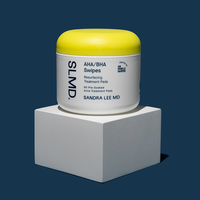
Dr. Pimple Popper's Picks: 20s Skincare



Skincare in your 30s: address early signs of aging
In your 30s, you may notice:
- Slower cell turnover
- Fine lines around the eyes and mouth
- Uneven tone from past sun exposure
- Hormonal acne flare-ups
Typically, your thirties is when those first signs of aging start to show up. Collagen production begins to decline more noticeably in this decade, and texture may look less smooth. Adult breakouts may persist due to hormonal acne.
Introducing a retinoid during this decade helps support collagen production and more consistent cell turnover. Retinol is a vitamin A derivative that promotes smoother texture over time.
Try: SLMD Retinol Resurfacing Serum
Dr. Pimple Popper tip: “When starting retinol, you can apply a thin layer of moisturizer first to buffer irritation while your skin adjusts.”
Using retinol at night aligns with the skin’s natural repair cycle during skin regeneration.
Dr. Pimple Popper's Picks: 30s Skincare



Skincare in your 40s: protect collagen and even tone
In your 40s, you may notice:
- More defined fine lines and wrinkles
- Increased dryness
- Loss of firmness or elasticity
- More visible dark spots
By your 40s, cumulative sun exposure and natural aging become more visible. Even with consistent sunscreen and retinol use, skin gradually begins to sag as collagen and elastin decline and volume subtly decreases.
Hydration becomes more strategic in this decade. Hyaluronic acid helps attract water to the skin, improving the appearance of fine lines and supporting a smoother look.
Try: SLMD Hyaluronic Acid Serum
Hyperpigmentation also becomes more noticeable after years of UV exposure. Antioxidants help neutralize free radicals that contribute to uneven tone and discoloration.
“Skin aging is gradual," explains Dr. Lee. "We don’t suddenly ‘start aging’ at 40 — we’re seeing the accumulation of changes that began years earlier.”
Dr. Pimple Popper's Picks: 40s & 50s Skincare


Skincare in your 50s and beyond: strengthen and replenish mature skin
In your 50s and beyond, you may notice:
- Thinner-feeling skin
- Increased dryness or sensitivity
- More pronounced wrinkles
- Slower healing
Hormonal changes can affect thickness, elasticity, and hydration. Continued retinoid use supports cell turnover, though tolerance may shift. A more intensive formula can be introduced gradually if your skin can tolerate it.
Try: SLMD Retinol Resurfacing Serum.
Many of these changes are part of what happens to skin as you age, including gradual thinning and slower repair. Layering hydration with humectants and a reliable moisturizer helps maintain a smoother, healthier-looking appearance.
FAQ: skincare routine by age
Q: When should you start using retinol?
A: Retinol can be introduced in your late 20s or early 30s, particularly if you are beginning to notice fine lines or uneven texture. Starting gradually and pairing it with moisturizer helps minimize irritation.
Q: Is acne normal in your 30s and 40s?
A: Adult acne is common due to hormonal fluctuations and stress. Treatments that support oil control while protecting the barrier remain important even as you address aging concerns.
Q: Does your skincare routine need to change with age?
A: Skin’s oil production, collagen levels, and repair processes shift over time. Adjusting ingredients strategically allows your routine to support those changes without becoming overly complicated.
Q: What is the most important skincare step at any age?
A: Daily sun protection remains the single most important step for preventing premature aging and uneven pigmentation.

Dr. Lee's Last Word
Your skin doesn’t age all at once. It changes gradually, and your routine should adjust with it. Consistent sunscreen, strategic use of retinoids, and barrier-supporting hydration go a long way. The goal is not perfection at every age — it’s giving your skin what it needs as it evolves.