
Beauty Sleep for Your Skin Is Real, Says Dr. Pimple Popper
It's not just a figure of speech: sleep can be a game-changer for your skin.
Published:
3 minute read
We’ve all heard the phrase “beauty sleep,” but is it really more than a saying? Sleep affects the entire body, and your skin is no exception. Every night, a series of repair and renewal processes take place beneath the surface, helping to undo the effects of stress and the environment. When those cycles are disrupted, it can lead to dullness, breakouts, and premature aging.
According to dermatologist and SLMD Skincare founder Sandra Lee, MD (aka Dr. Pimple Popper), the connection between sleep and skin health is stronger than most people realize. Quality rest allows the skin to rebalance and rebuild itself — key steps for maintaining healthy, radiant skin.
Fast facts: beauty sleep and skin health
- Sleep supports many of the skin’s natural repair processes.
- Both how long and how well you sleep influence skin appearance.
- Stress, screen time, and environment all affect your nightly skin cycle.
- The right nighttime skincare routine can boost your skin’s recovery.
How does sleep help your skin?
While you sleep, your skin’s natural regeneration cycle goes into overdrive. Here are some of the critical processes that take place during those nighttime hours, according to Dr. Lee:
- Repairing and renewing: The skin’s regeneration rate increases, allowing for the repair of daily environmental damage.
- Producing collagen: Vital for elasticity and strength, helping to reduce the formation of fine lines and wrinkles from premature aging.
- Balancing hormones: Helps regulate stress hormones like cortisol. Elevated cortisol levels can exacerbate skin conditions such as acne and eczema.
- Enhancing blood flow: Improves circulation, which is essential for delivering nutrients and oxygen to the skin.
- Reducing eye puffiness and dark circles: Poor sleep can lead to paler skin and fluid retention, highlighting these issues.
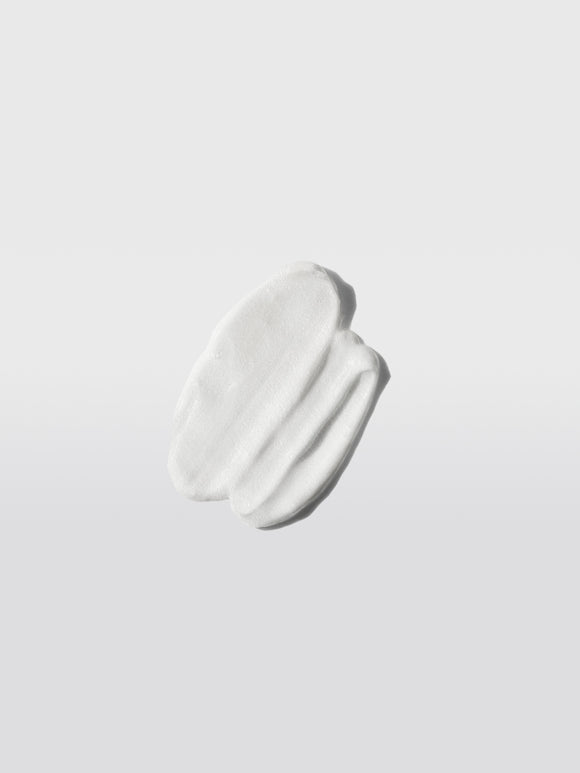
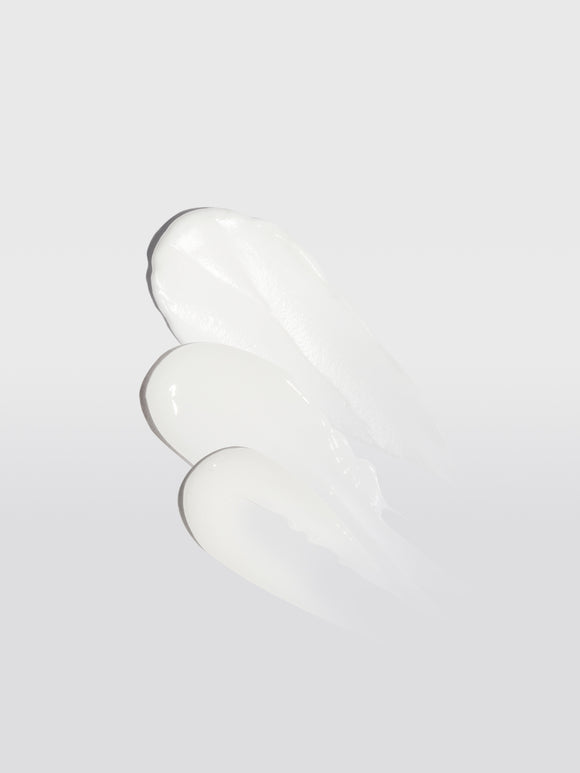
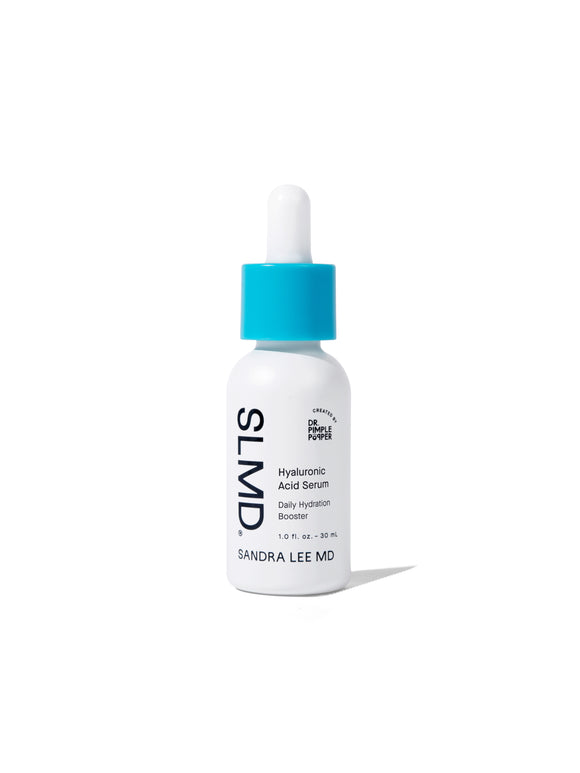
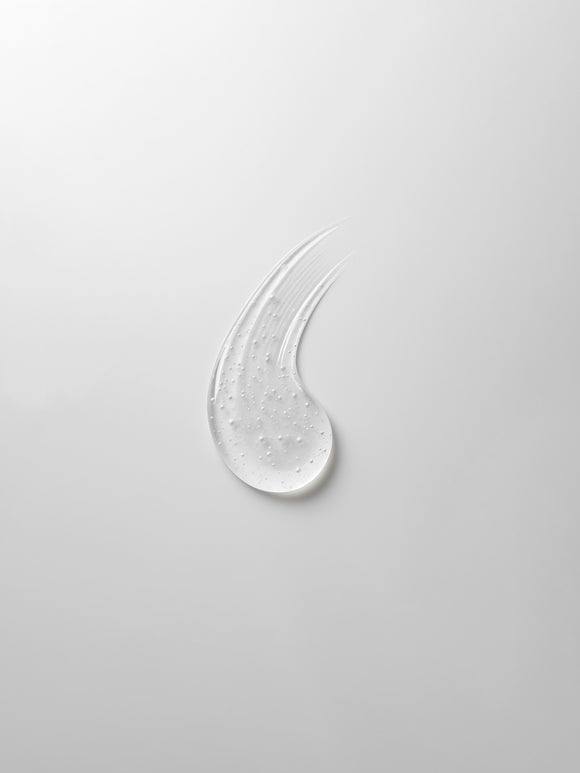
Dr. Pimple Popper's Beauty Sleep Picks




Dr. Pimple Popper’s beauty sleep tips
#1 Follow a consistent nighttime skincare routine
“Wash your face morning and night to make sure to clear away any impurities that build up during the day, and in the morning to reveal fresh, new skin cells,” says Dr. Lee. “Also, incorporate a retinol product which will help slow the breakdown of collagen and encourage skin cell turnover.”
SLMD Skincare to try: Salicylic Acid Cleanser, Retinol Resurfacing Serum
#2 Moisturize adequately
Since transepidermal water loss (TEWL) increases during the night, it’s crucial to apply a moisturizer before bed — even if you have oily or acne-prone skin. Look for ceramides, hyaluronic acid, niacinamide, or squalane to lock in hydration and support the skin barrier.
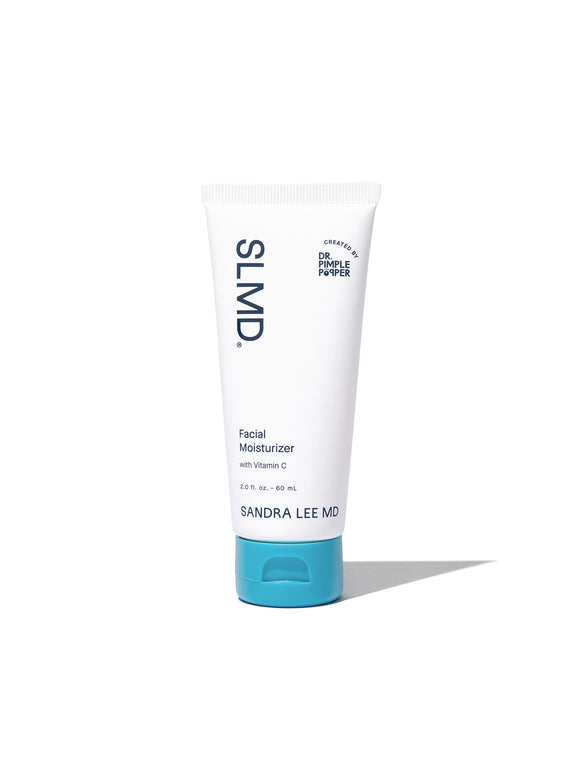
SLMD Skincare to try: Facial Moisturizer w/ Vitamin C, Hyaluronic Acid Moisturizer, Hyaluronic Acid Serum
#3 Sleep on your back
Pressing your face into a pillow night after night can contribute to fine lines and irritation. Sleeping on your back keeps pressure off delicate facial tissue and reduces friction. If back-sleeping is difficult, a silk or satin pillowcase can help minimize tugging on the skin.
#4 Keep your sleep environment cool and comfortable
A humidifier helps maintain moisture in the air, while a cool room temperature promotes deeper, more restorative sleep. Overheating can dry out skin and may trigger eczema flare-ups, so a comfortable environment supports barrier balance. Aim for a dark, quiet room to reinforce healthy sleep cycles.
#5 Limit blue light before bedtime
Digital screens can disrupt melatonin production and your circadian rhythm. Powering down devices at least an hour before bed helps improve sleep quality. Better sleep gives your skin time to complete essential repair processes that support firmness, clarity, and glow. Reducing exposure to blue light in the evening can help.
#6 Avoid late-night eating for healthier skin
Eating right before bed can affect digestion and hormone balance, which in turn can influence oil production and inflammation. Try to finish dinner a few hours before sleep to reduce nighttime blood sugar spikes. A consistent evening routine supports more stable sleep and calmer skin over time.
FAQ: beauty sleep and skin health
Q: Does lack of sleep cause breakouts?
A: Poor sleep raises cortisol, a stress hormone that increases oil production and inflammation — two key factors behind acne. Getting 7–9 hours of quality rest helps keep hormones balanced and skin clearer.
Q: How many hours of sleep does your skin need?
A: Dermatologists recommend 7–9 hours to allow the skin’s nightly repair cycle to complete. This is when collagen synthesis and barrier recovery peak, leaving skin smoother and more resilient.
Q: What skincare products should you use before bed?
A: Choose gentle cleansers, hydrating serums, and moisturizers rich in ceramides or hyaluronic acid to support overnight repair and reduce TEWL. Retinol or exfoliating acids can also be used at night to boost cell turnover, as tolerated.

Dr. Lee's Last Word
When my patients ask me for the secret to healthier skin, I always remind them it starts with the basics — a consistent routine and a good night’s sleep. Your skin does its best work while you rest, so give it that time to recover.