
5 Types of Wrinkles + How to Treat & Prevent Each
There's no cure — but you can definitely do something about fine lines and wrinkles.Published:
4 minute read
Wrinkles may be a sign of a life well-lived, but let’s face it: many of us would prefer they be a little less obvious. While there’s no miracle cure, there are ways to treat — and better yet, prevent — some types of lines and wrinkles.
Here, dermatologist and SLMD Skincare founder Sandra Lee, MD (aka Dr. Pimple Popper), explains the five main types of wrinkles, and what you can do about each one.
Fast facts: Wrinkle types
- Wrinkles form from both natural aging and daily habits
- Dynamic wrinkles show up with expression
- Static wrinkles stay visible even when your face is at rest
- Skincare and in-office treatments may lessen the look of wrinkles
How do wrinkles form?
A wrinkle is essentially a small fold, crease, or furrow on the skin’s surface — but how it gets there is more complex. We’ve covered what happens to skin as you age, but in short, wrinkles form through a combination of:
- Intrinsic aging: your natural, genetic aging process
- Extrinsic aging: external factors like sun exposure, pollution, smoking, stress, and lifestyle
These aging forces lead to structural changes within the skin:
- Collagen degradation: a reduction in the protein that gives skin its support
- Elastin breakdown: fibers lose their ability to snap back into place
- Hydration loss: less moisture means fine lines and wrinkles are more likely to form
“These changes are happening under the surface long before you see a single wrinkle,” says Dr. Lee.
What are the types of wrinkles?
Dermatologists group wrinkles into two broad categories:
- Dynamic wrinkles: lines caused by facial expressions
- Static wrinkles: lines that stay visible even when your face is at rest
But it’s not always that simple. Sometimes wrinkles fall into both categories, developing from a mix of repeated movement, natural aging, sun exposure, and other lifestyle factors. Understanding what’s driving your lines helps determine which treatments will be most effective.
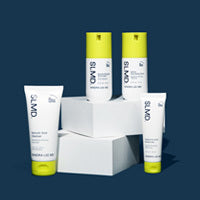
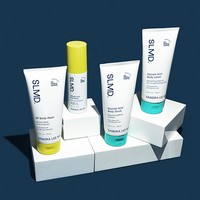
Dr. Pimple Popper's Wrinkle Treatment + Prevention Picks

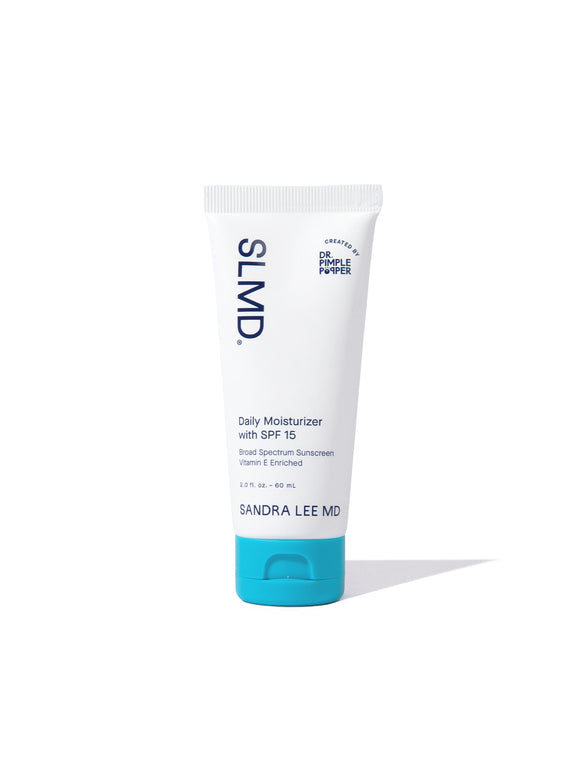

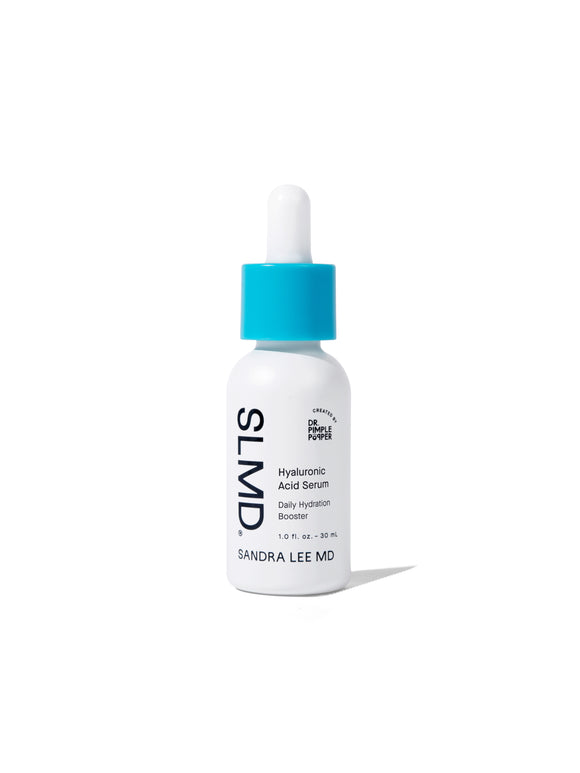

Dynamic expression lines
These are dynamic lines caused by repeated facial expressions: things like frowning, laughing, or squinting. They usually show up on the forehead, between the brows, and around the eyes (often called worry lines, frown lines, or crow’s feet).
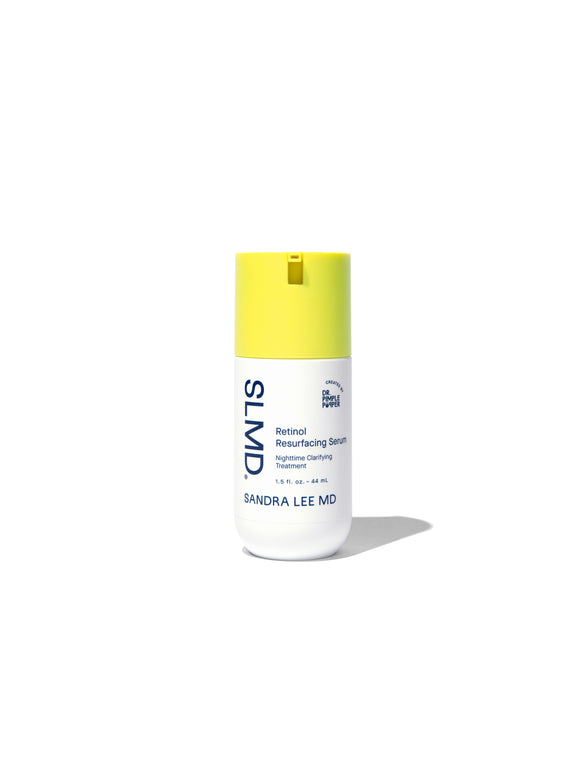
Skincare: retinoids to support collagen and increase cell turnover
Lifestyle change: stress management, wearing sunglasses to avoid squinting
Derm option: Botox to temporarily relax underlying muscles
SLMD Skincare to try: Retinol Resurfacing Serum
Atrophic crinkling rhytids
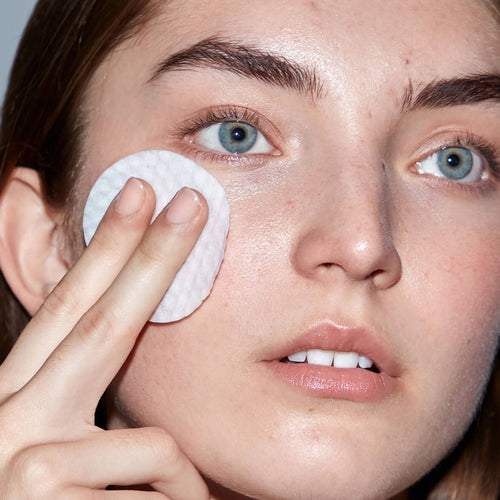
These are fine, delicate lines that tend to develop around the eyes and on the cheeks. They’re primarily caused by a natural reduction in collagen and elastin production — part of the aging process that leads to thinner, less resilient skin.
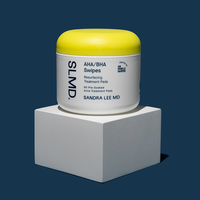
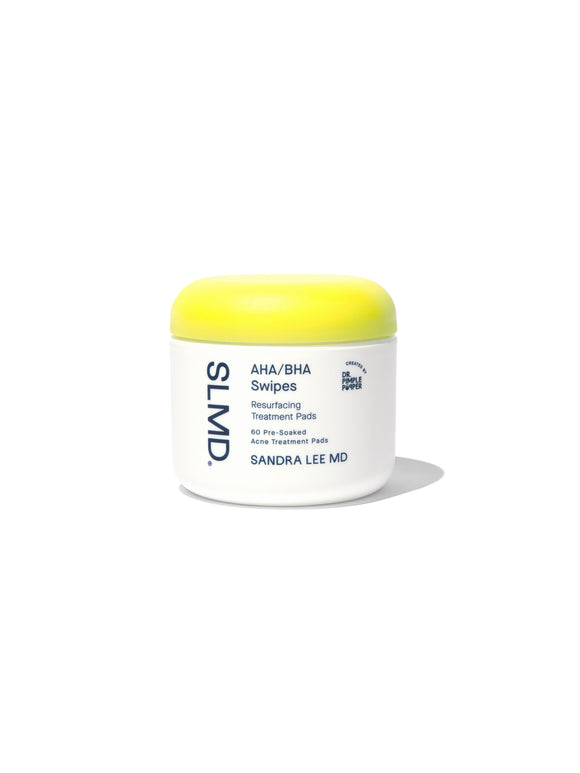
Skincare: alpha hydroxy acids (AHAs) to smooth texture; hyaluronic acid to boost hydration
Lifestyle change: consistent sun protection
Derm option: dermal fillers, chemical peels
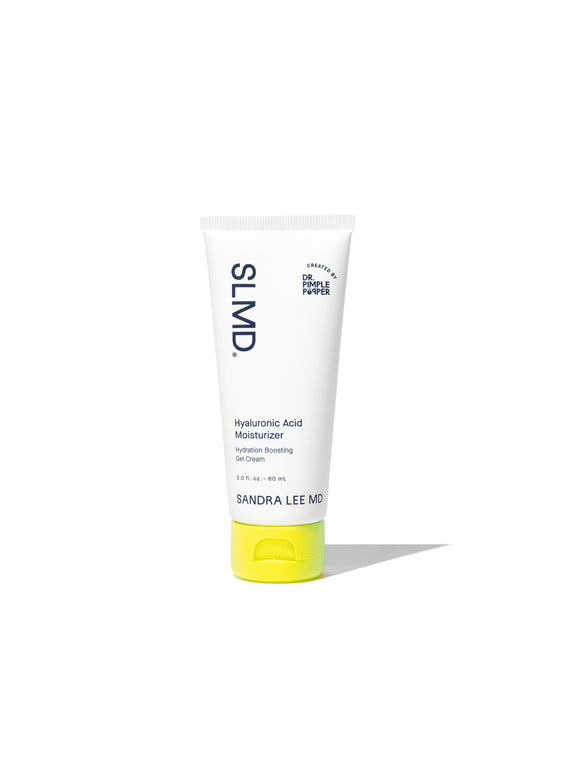
SLMD Skincare to try: AHA/BHA Swipes, Hyaluronic Acid Moisturizer
Permanent elastic creases
These static wrinkles form in areas exposed to the sun — like the face, neck, and chest. Chronic UV exposure leads to elastin breakdown (called solar elastosis), which creates deep, etched-in creases over time.
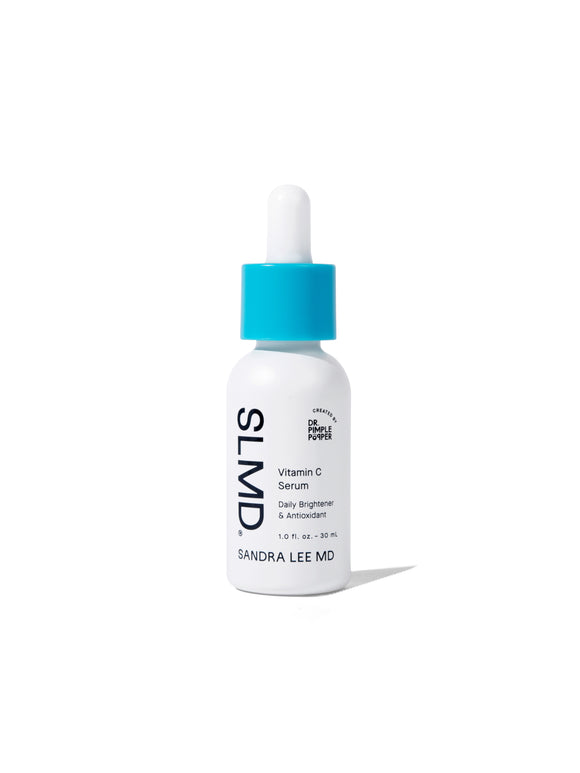
Skincare: antioxidants to help neutralize free radicals; daily sunscreen
Lifestyle change: sun-safe habits (shade, hats), avoiding smoking
Derm option: laser resurfacing, chemical peels
SLMD Skincare to try: Vitamin C Serum, Daily Moisturizer with SPF 15
“Daily sunscreen is non-negotiable,” says Dr. Lee. “It’s one of the most powerful tools we have to keep wrinkles from getting deeper — and to help prevent new ones from forming.”
Gravitational folds
As we age, gravity pulls on skin that’s gradually losing firmness. This can lead to deeper lines or folds, especially on the cheeks, around the mouth, and along the jawline (sometimes called marionette lines).
Skincare: peptide-based creams and hydrating moisturizers
Lifestyle change: maintaining overall skin health
Derm option: surgical facelifts or neck lifts
SLMD Skincare to try: Facial Moisturizer with Vitamin C
Compression wrinkles
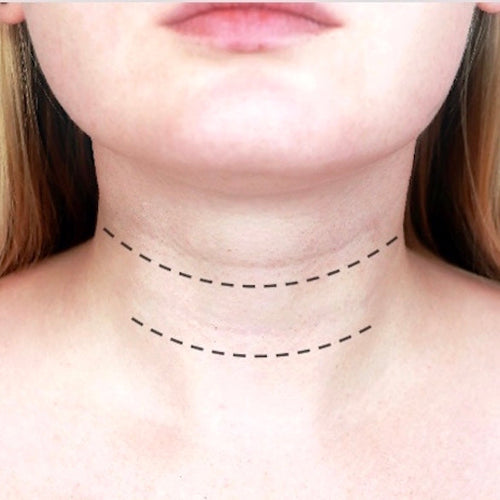
These lines form from external pressure — typically during sleep or from looking down at devices (aka tech neck). They can show up on the face, chest, or neck and become more noticeable as skin loses elasticity.
Skincare: moisturizers with hyaluronic acid or glycerin
Lifestyle change: silk pillowcase, adjusting sleep position, raising device height
Derm option: laser treatments
SLMD Skincare to try: Hyaluronic Acid Serum
Frequently asked questions about wrinkles
Q: What causes the different types of wrinkles?
A: Different wrinkle types form from a mix of intrinsic aging and external factors like sun exposure, repeated facial expressions, and lifestyle habits. Over time, these influences break down collagen and elastin, leading to lines that follow specific patterns.
Q: Can you prevent static wrinkles from forming?
A: You can’t stop aging, but you can slow the development of static wrinkles. Daily sunscreen, antioxidants, retinoids, and regular moisturization help protect collagen and elastin so lines form more slowly and stay less pronounced.
Q: When should you see a dermatologist for wrinkles?
A: If your wrinkles are deep, progressing quickly, or affecting your confidence, it’s a good time to see a dermatologist. Professional treatments like lasers, peels, or injectables can make a more noticeable difference than skincare alone.

Dr. Lee's Last Word
I always tell patients: try not to dwell on your wrinkles — aging is a privilege! But there are ways we can minimize the appearance of lines that bother you. Remember: it’s easier to prevent than to treat… so wear sunscreen and take care of your skin.