
Melanin 101: Everything You Need to Know about Skin Pigmentation
This pigment gives color to our skin, hair and eyes — and also lets us know when our skin is damaged.
Published:
4 minute read
Melanin is the pigment responsible for the color of our skin, hair, and eyes. It is also involved in many skin changes people find confusing, including uneven tone and dark marks that can appear long after the original trigger.
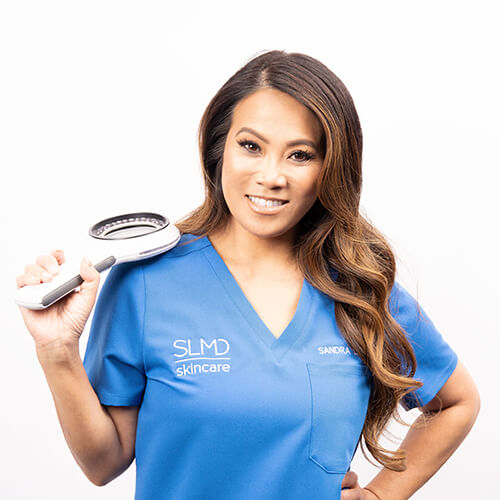
Here, dermatologist and SLMD Skincare founder Sandra Lee, MD (aka Dr. Pimple Popper) explains what melanin does, why it behaves the way it does, and how that understanding guides smarter skincare choices.
Fast facts: melanin and skin pigmentation
- Melanin is a natural pigment produced by melanocytes in the skin
- It helps protect skin cells from UV-related damage
- Melanin production can increase in response to sun exposure or inflammation
- Uneven melanin accumulation can lead to hyperpigmentation
Article Quick Links
What is melanin?
Melanin is the pigment that creates skin tone. It is produced by specialized cells in the lower epidermis called melanocytes. These cells create melanin inside small structures known as melanosomes, which are then transferred to surrounding skin cells.
Everyone produces melanin. Differences in skin, hair, and eye color are determined by the amount, type, and distribution of melanin — not by the number of melanocytes themselves.
There are two primary types of melanin:
- Eumelanin, which produces brown and black pigment
- Pheomelanin, which contributes to red and yellow pigment
People with darker skin tones typically have larger and more numerous melanosomes, resulting in deeper pigmentation.
How melanin affects skin pigmentation
Baseline melanin production is genetically determined and evenly distributed in healthy skin. In this state, melanin helps absorb and disperse ultraviolet radiation while limiting damage from free radicals.
Problems arise when melanin production becomes uneven or excessive. When the skin experiences repeated stress, pigment can accumulate in localized areas instead of dispersing uniformly, leading to visible discoloration.
“Melanin itself isn’t the problem,” says Dr. Lee. “It’s when pigment production becomes uneven or prolonged that we start to see changes in skin tone.”
What triggers excess melanin production
Melanin production increases when the skin is responding to damage or irritation. Common triggers include:
Ultraviolet radiation
Exposure to ultraviolet radiation from the sun stimulates melanocytes to produce more pigment as a protective response. While this helps shield DNA inside skin cells, repeated exposure can lead to uneven pigment accumulation over time. Dermatologists classify skin’s response to sun exposure using the Fitzpatrick skin type scale, which helps guide sun protection and treatment recommendations.
Inflammation and acne
Inflammatory conditions (including acne) can stimulate melanocytes during the healing process. This can result in post-inflammatory hyperpigmentation, particularly when inflammation is repeated or prolonged. It’s also why relying on sunlight to clear up acne can backfire for both breakouts and dark marks.
Skin injury or trauma
Picking, burns, aggressive treatments, and wounds can all trigger excess pigment production as the skin repairs itself.
Dr. Pimple Popper's Hyperpigmentation Picks


How melanin contributes to hyperpigmentation
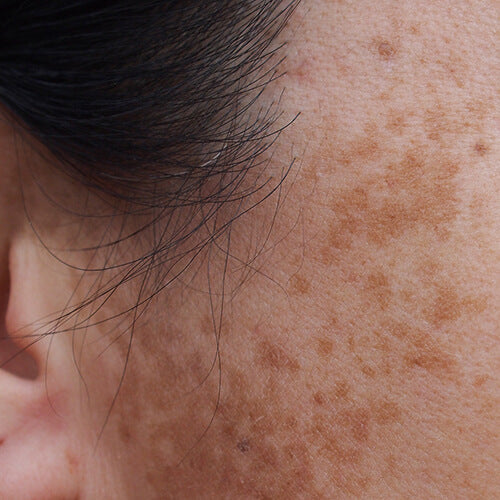
When melanin is produced evenly, skin tone appears consistent. When production is overstimulated or irregular, pigment can build up in certain areas of the skin, leading to hyperpigmentation.
This may appear as:
In response to UV exposure, melanosomes form protective “umbrellas” over the nuclei of skin cells to help shield DNA. With repeated stimulation, these pigment clusters can persist in the skin.
“Hyperpigmentation happens when the skin produces more pigment than it needs while it’s healing,” says Dr. Lee. “That excess melanin can linger, which is why dark spots don’t fade right away.”
How to reduce dark spots and hyperpigmentation
Managing pigmentation focuses on limiting excess melanin production while supporting even skin turnover.
Antioxidants
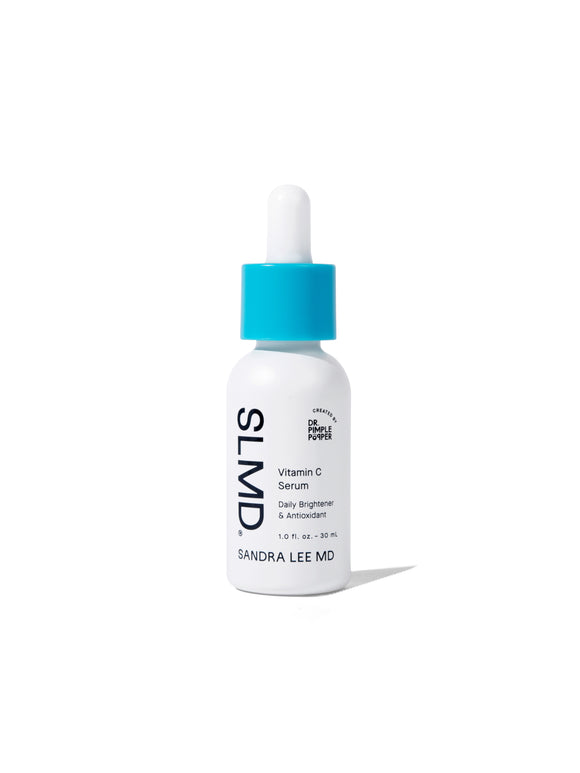
Antioxidants help reduce oxidative stress that can trigger melanocyte activity. Vitamin C supports brighter-looking, more even-toned skin over time. Try: SLMD Vitamin C Serum
Exfoliation
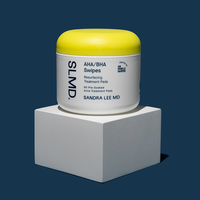
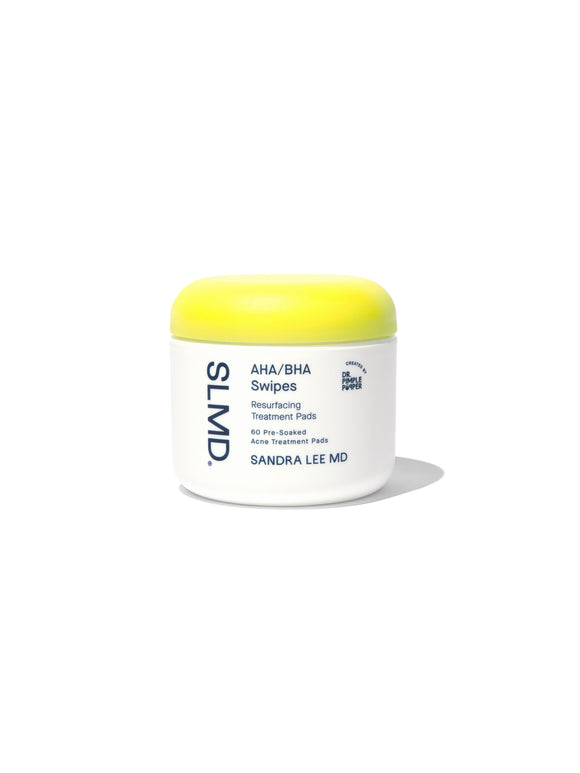
Chemical exfoliants help remove dead skin cells where excess pigment accumulates, allowing newer cells to surface. Try: SLMD AHA/BHA Swipes
Cell turnover support
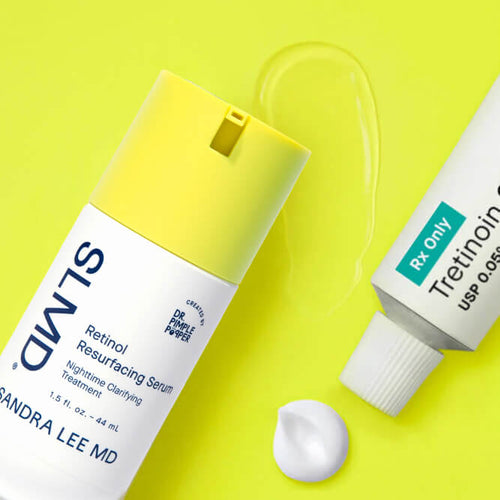
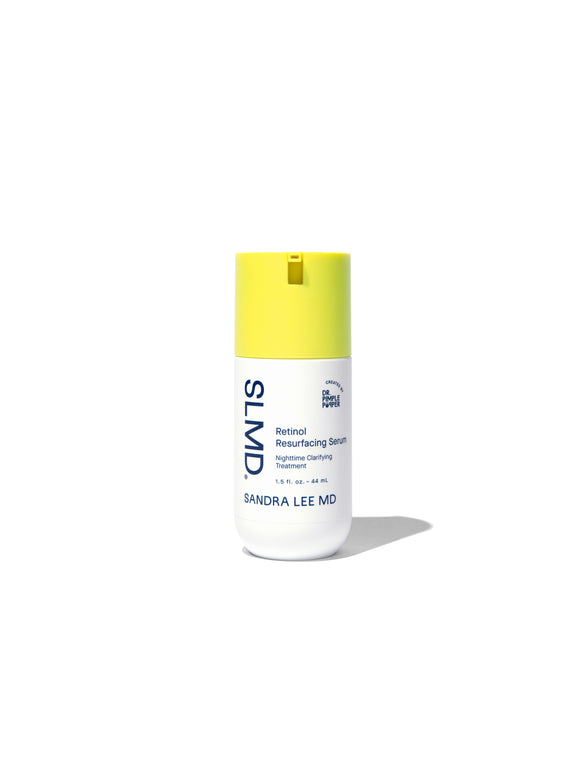
Retinoids encourage consistent cell turnover and help improve the appearance of uneven tone over time. Try: SLMD Retinol Resurfacing Serum
Sun protection
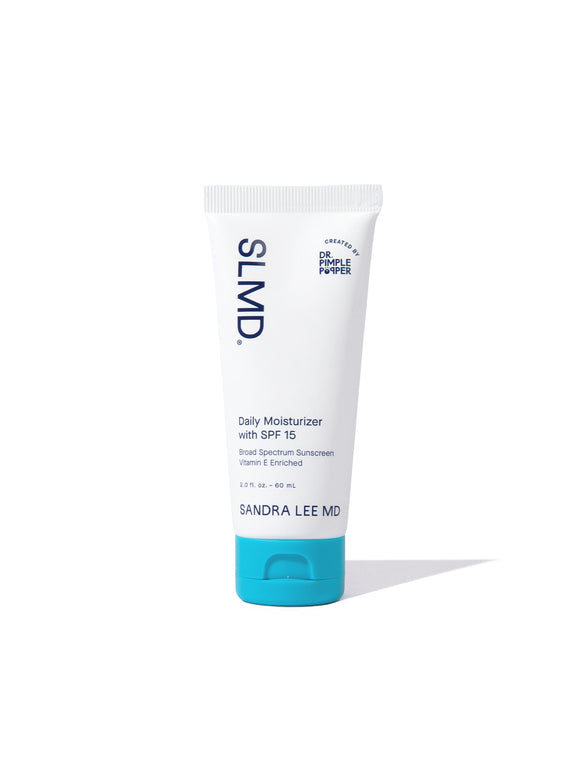
Daily sunscreen use helps prevent new pigment from forming and worsening existing discoloration. Try: SLMD Daily Moisturizer with SPF 15
FAQ: melanin and skin pigmentation
Q: What does melanin do for your skin?
A: Melanin gives skin its color and helps protect skin cells from UV-related damage by absorbing and dispersing radiation.
Q: Can acne cause dark spots?
A: Inflammation from acne can stimulate excess melanin production during healing, which may result in post-inflammatory hyperpigmentation.
Q: Does everyone produce the same amount of melanin?
A: Melanin production varies based on genetics and environmental exposure, which is why skin tones and pigment responses differ.
Q: Is hyperpigmentation permanent?
A: Some pigment fades naturally over time, but prevention and consistent skincare help improve outcomes and reduce recurrence.
Dr. Lee’s last word
Melanin is doing its job. When pigment shows up unevenly, it’s usually because the skin has been under stress for a while, whether from breakouts, irritation, or sun exposure. I remind patients that calming the skin and being consistent goes a long way when it comes to preventing dark spots.

Dr. Lee's Last Word
Uneven pigment is often the result of repeated stress on the skin, whether from inflammation, injury, or sun exposure. In my practice, I emphasize prevention first. Keeping the skin calm and being consistent with your routine is far more effective than trying to correct pigment later.