
How to Keep Acne from Coming Back
So your acne is under control...now what? Dr. Pimple Popper has the answer.
Published:
4 minute read
Managing your acne with the right regimen, whether that’s an over-the-counter skincare kit or a prescription solution, can be a huge win.
But it doesn’t stop there. Acne is a chronic condition, which means maintenance plays a key role in keeping results on track. We asked dermatologist Sandra Lee, MD (aka Dr. Pimple Popper), to share her best tips for keeping acne from coming back.
Fast facts: keeping acne from coming back
- Acne is a chronic condition, so maintenance helps prevent acne from returning
- A consistent routine built around the right ingredients helps support clearer skin long term
- Post-acne dark marks can linger after acne is gone and do not always mean acne is coming back
- Daily sunscreen helps protect healing skin and can keep discoloration from looking worse
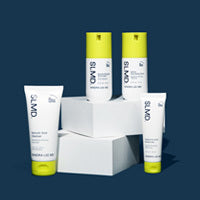
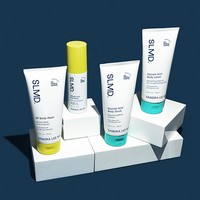
Looking for an all-in-one post-acne skincare solution? Try SLMD After Acne System.
How a consistent skincare routine helps prevent acne from coming back
If you’ve been sticking to a regular acne regimen, you’re already ahead of the game. According to Dr. Lee, the biggest difference between “finally clear” and “staying clear” comes down to consistency, not intensity. Maintenance routines are designed to keep pores clear and prevent buildup before it turns into new breakouts.
Dr. Lee often reminds patients that long-term success comes from sticking with proven ingredients rather than constantly changing products.
Two ingredients she recommends for acne maintenance are:
- Salicylic acid: One of the most popular chemical exfoliants, this beta hydroxy acid is oil soluble, meaning it can get into pores to help lift trapped sebum and dead skin cells that contribute to clogged pores. Try: SLMD Salicylic Acid Cleanser
- Retinol: Clinically proven to support healthy cell turnover, helping prevent dead skin cells from building up inside the hair follicle. Retinol can also promote a more even-looking skin tone and support skin showing early signs of premature aging. Try: Retinol Resurfacing Serum
Why spot treatments matter for acne maintenance
Even with a consistent routine, occasional flare-ups can still happen. Common triggers include physical irritation from sweat or friction (acne mechanica) and hormonal shifts tied to the menstrual cycle. Spot treatments let you address individual pimples early without changing your entire routine.
Dr. Lee recommends choosing spot treatments based on the type of breakout you’re seeing:
- Salicylic acid: Best suited for treating blackheads and whiteheads. It can be applied directly to individual pimples or used on areas where you tend to break out predictably. Try: SLMD SA Acne Spot Treatment
- Benzoyl peroxide: Helps address inflamed pimples by targeting C. acnes, the bacteria associated with acne. Apply it directly to red, raised blemishes. Try: BP Acne Spot Treatment
To support healing, patches can also be useful for protecting blemishes while they heal. Try: Salicylic Acid Pimple Patches.
Dr. Pimple Popper's Acne Maintenance Routine






How to fade post-acne dark marks without triggering new breakouts
After acne clears, lingering scars and dark marks are common concerns. Two types of temporary discoloration include post-inflammatory hyperpigmentation (PIH) and post-inflammatory erythema (PIE). These dark, sometimes red, marks are actually part of the skin’s healing process.
According to Dr. Lee, discoloration often fades gradually on its own. Ingredients that support gentle resurfacing and antioxidant protection can help improve the appearance of uneven tone over time.
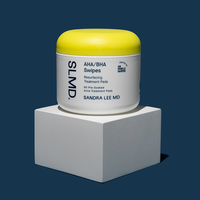
- Alpha hydroxy acids: Glycolic, lactic and mandelic acids help exfoliate the skin’s surface so darker, unevenly pigmented cells shed more efficiently. Try: AHA/BHA Swipes
- Antioxidants: Ingredients like vitamin C and kojic acid help support brighter, more even-looking skin by addressing oxidative stress that can contribute to discoloration. Try: SLMD Vitamin C Serum
Why daily sunscreen helps keep acne from returning
Choosing a sunscreen when you’re acne-prone can feel complicated, especially if you’ve had products clog pores or trigger breakouts in the past. Dr. Lee emphasizes that the right sunscreen supports both skin health and acne maintenance.
“Sun protection isn’t optional for acne-prone skin,” she explains. “Ongoing UV exposure can make skin more reactive and slow the healing of dark marks.”
Daily sunscreen supports acne maintenance in two key ways:
- Protects skin from UV damage that can weaken the skin barrier and make breakouts harder to manage over time
- Helps prevent post-acne marks from darkening and lingering longer than necessary
Try: Daily Moisturizer with SPF 15
FAQ: how to keep acne from coming back
Q: How long should I stay on an acne maintenance routine?
A: Maintenance routines are typically ongoing. Because acne is a chronic condition, staying consistent with supportive ingredients helps reduce the likelihood of future breakouts.
Q: What happens if I stop using acne ingredients after my skin clears?
A: Stopping maintenance ingredients can allow pore buildup and inflammation to return over time. Gradual adjustments are usually better than stopping everything at once.
Q: How can I tell post-acne marks from active acne?
A: Post-acne marks like PIH or PIE are usually flat and change color over time, while active acne often feels raised, tender, or inflamed.
Q: Can sunscreen clog pores or make acne worse?
A: Some sunscreen formulas can feel heavy on acne-prone skin. Lightweight options designed with acne-prone skin in mind can help protect without contributing to breakouts.

Dr. Lee's Last Word
Clearing acne is a big step, but maintaining results is what really counts. Staying consistent with the right ingredients can help keep breakouts in check and skin looking healthier long term.


