
Ingredient Spotlight: Glycolic Acid
Learn why Dr. Pimple Popper recommends this AHA for smoother, brighter-looking skin.
Published:
5 minute read
Glycolic acid is one of those skincare ingredients that shows up everywhere: from cleansers and serums to peels, in both at-home and in-office strengths. Dermatologists recommend it for both face and body, for a variety of skin types and concerns.
So what is so great about glycolic acid? To get a grasp on exactly why this popular AHA is so powerful, we combed through research and then went straight to the source: Sandra Lee, MD (aka Dr. Pimple Popper), who shares some of her favorite ways to use this potent ingredient.
Article Quick Links
Fast Facts: Glycolic acid
- Most researched alpha hydroxy acid
- Helps improve uneven texture and dullness
- Works on both face and body
- Suitable for many skin types when introduced slowly
What is glycolic acid?
The most widely studied alpha hydroxy acid, glycolic acid (also known as hydroxyacetic acid) is a chemical exfoliant typically derived from sugar cane. It is the simplest of the water soluble alpha hydroxy acids, with the lowest molecular weight. Because it is such a small molecule, glycolic acid is capable of penetrating deep into the epidermis and, depending on concentration, even into the dermis below.
First synthesized in the mid nineteenth century, today it is available in a wide variety of concentrations, ranging from in office peels that may reach up to 70 percent to over the counter cleansers, lotions, and treatments that generally top out around 10 percent.
What does glycolic acid do for skin?
With benefits for acne prone and aging skin alike, it is no wonder so many dermatologists endorse glycolic acid. This AHA is capable of addressing a variety of concerns for both face and body, including:
- Dullness
- Rough, bumpy skin
- Acne and acne scarring
- Fine lines and wrinkles
- Ingrown hairs
- Hyperpigmentation
- Loss of firmness
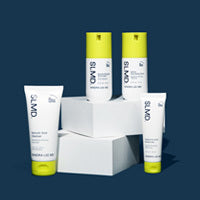
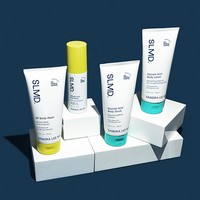
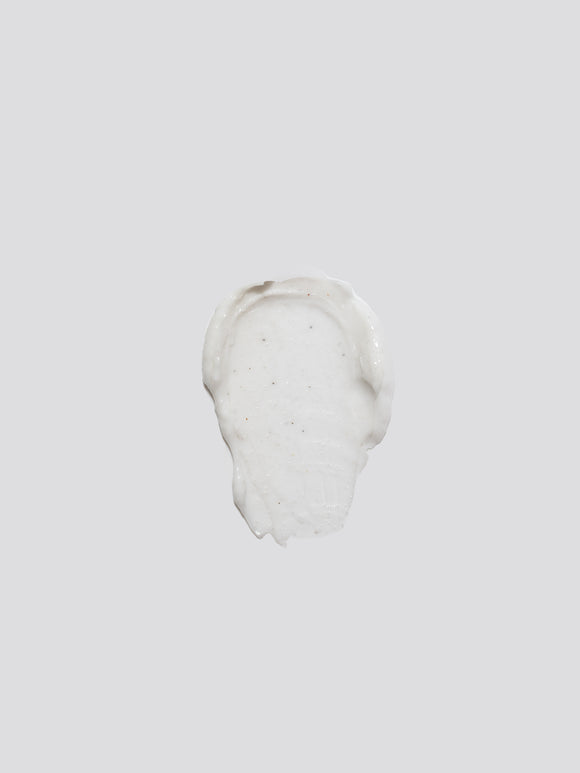
Dr. Pimple Popper's Glycolic Acid Picks



How does glycolic acid work?
Glycolic acid is well studied, and its benefits come from a few key biological effects.
It exfoliates dead cells
Your skin naturally sheds dead cells at the surface, but that process can become uneven over time. Glycolic acid helps loosen the protein bonds that hold dead skin cells together.
The outermost cells, called corneocytes, are connected by structures known as desmosomes. Glycolic acid weakens those connections so old cells shed more easily, revealing fresher skin underneath.
This gentle chemical exfoliation is one reason skin often looks smoother and more radiant with consistent use.
“People think exfoliation needs to feel gritty, but chemical exfoliants can actually be gentler and more predictable,” says Dr. Lee.
It stimulates collagen production
Collagen is the protein that gives skin its firm, resilient quality. Over time, collagen production naturally slows.
Higher concentrations of glycolic acid, like those used in chemical peels, have been shown to stimulate fibroblasts, the cells that make collagen. Supporting fibroblast activity can help skin look firmer and smoother over time.
It boosts skin’s natural hydration
Glycolic acid can also affect glycosaminoglycans, a family of water binding molecules like hyaluronic acid that help keep skin hydrated and plump. Research suggests that glycolic acid may increase levels of these molecules in the skin, improving its ability to hold moisture.
How to use glycolic acid in your skincare routine
According to board certified dermatologist Dr. Sandra Lee, adding glycolic acid to your routine is fairly straightforward as long as you start slowly and pay attention to how your skin responds.
Most people begin by using glycolic acid two or three times a week. If the skin adjusts well, frequency can increase gradually. Always pair exfoliation with a gentle moisturizer and daily sunscreen.
“You do not need a high percentage of glycolic acid to see results,” says Dr. Lee. “Consistency is what really changes your skin over time.”
Here are a few of her favorite ways to use glycolic acid for face and body:
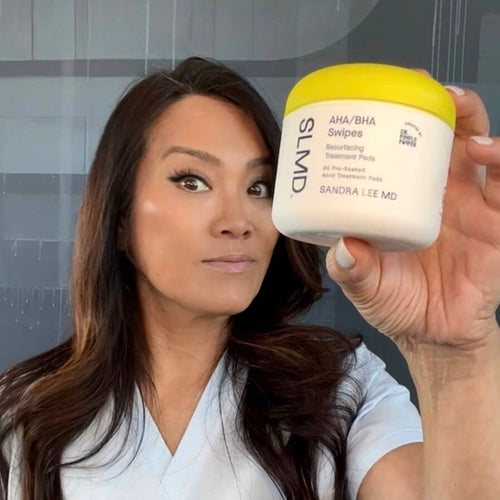
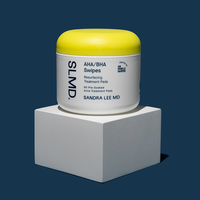
- With salicylic acid. Combining water soluble AHA with oil soluble BHA is an ideal way to help keep pores clear and smooth on both face and body. Try: SLMD AHA/BHA Swipes to gently exfoliate, brighten, and clear pores.
- With hyaluronic acid. This pairing supports hydration by resurfacing the skin while adding moisture back in. Try: SLMD Glycolic Acid Body Scrub to hydrate while sloughing away rough skin.
- With vitamin C. Many people combine by applying glycolic acid at night and vitamin C in the morning to brighten tone and support collagen. Try: SLMD Vitamin C Serum to help protect newly exfoliated skin.
- With skin soothers. Ingredients like niacinamide and aloe work well with glycolic acid to help calm and balance dry or sensitive body skin. Try: SLMD Glycolic Acid Body Lotion to smooth and moisturize.
“If your skin ever feels tight or irritated, that is a sign to slow down,” Dr. Lee adds. “Exfoliation should make skin look better, not worse.”
Glycolic acid FAQ
Q: How often can you use glycolic acid?
A: Most people do well using glycolic acid a few times per week to start. If your skin tolerates it, you can increase frequency gradually. If irritation persists, pause use and reintroduce it more slowly.
Q: Is glycolic acid safe for sensitive skin?
A: It can be, but it is important to start with a lower concentration and use it less often. Pairing glycolic acid with a gentle, fragrance free moisturizer can help reduce the risk of irritation. If your skin is very reactive, talk to a dermatologist before you begin.
Q: Should you apply glycolic acid before or after other actives?
A: Most glycolic acid products should be applied right after cleansing, before treatments or moisturizers. This allows the ingredient to work on freshly cleansed skin without barriers. If you are using multiple actives, apply the product with the thinnest texture first unless your dermatologist advises otherwise.
Q: What are the signs that you are overdoing glycolic acid?
A: If you are using too much glycolic acid, you may notice redness, stinging, burning, tightness, or flaky patches that do not improve with moisturizer. Breakouts can also sometimes flare when the skin barrier is stressed. If this happens, stop use until your skin calms down, then reintroduce glycolic acid less often or in a gentler formula. If irritation continues, talk to a dermatologist.
Q: Can you use glycolic acid on both the face and the body?
A: Yes. Body formulas often contain additional hydrating or soothing ingredients to balance exfoliation on areas that are naturally drier or thicker than facial skin. Follow the directions on your product and adjust frequency based on how your skin feels.

Dr. Lee's Last Word
Glycolic acid earns its reputation for a reason. With steady use, you’ll see smoother texture, brighter tone, softer lines, fewer bumps, and healthier looking skin overall. Start slow, stay consistent, and let your skin do the rest.